
Lyon has been called the capitale gastronomique de la France (gastronomic capital of France) for nearly a century. The title was bestowed by the legendary food critic Curnonsky in the 1930s, and no other city has seriously challenged it since. Not Paris, with its Michelin stars. Not Bordeaux, with its wines. Not Marseille, with its bouillabaisse. Lyon — positioned at the confluence of the Saône and the Rhône, equidistant from Burgundy's vineyards, the Rhône Valley's orchards, the Auvergne's pastures, and the Bresse's poultry farms — commands the finest ingredients in France and has built a culinary tradition of staggering depth.
This is the city that gave the world Paul Bocuse and nouvelle cuisine, but Lyon's true genius lies not in its starred restaurants but in its bouchons (traditional Lyonnaise restaurants) — the small, unpretentious, often family-run establishments that serve a cuisine rooted in the working-class traditions of silk workers, market traders, and the remarkable women known as les Mères Lyonnaises (the Mothers of Lyon).
Why Lyon?
Geography as Destiny
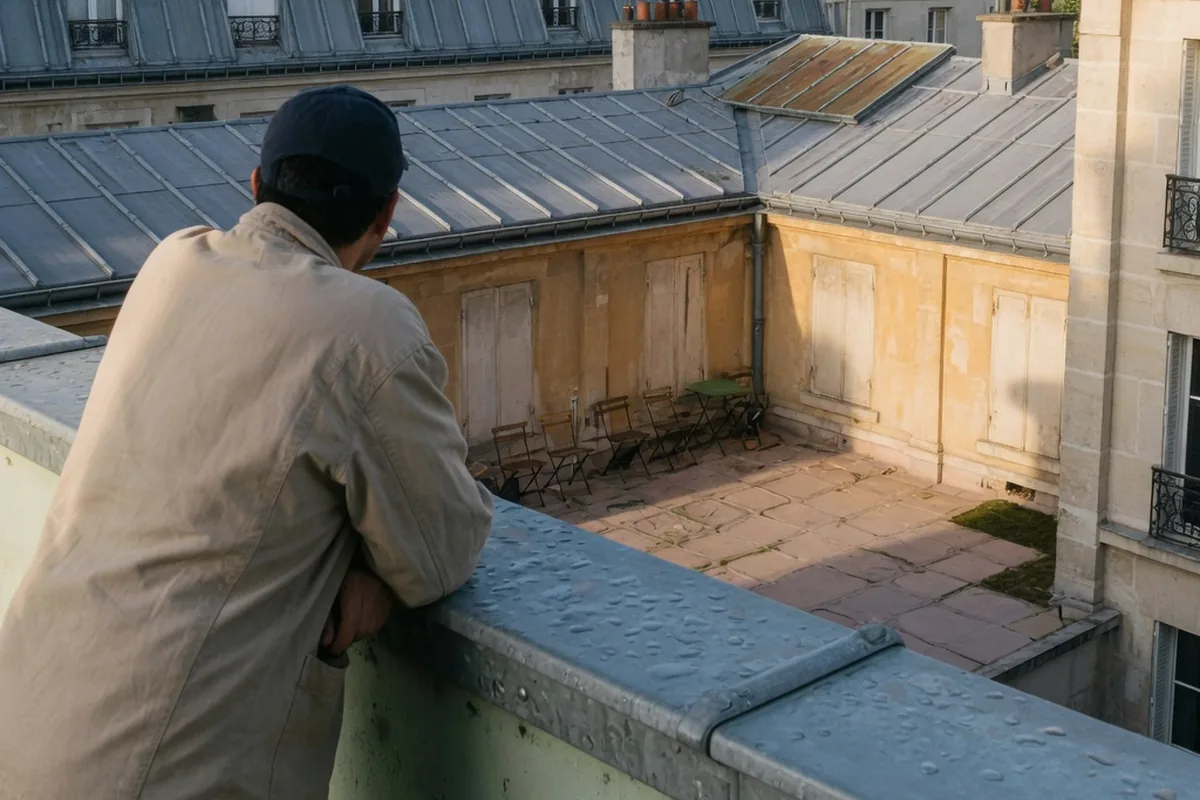
Lyon's culinary supremacy begins with geography. Within a two-hour radius lie:
- Burgundy — wines, Charolais beef, Dijon mustard, Époisses cheese
- Bresse — the AOC poultry considered France's finest
- Drôme and Ardèche — fruit orchards, goat cheese, picodon
- Beaujolais — the light, fruity reds that are Lyon's house wine
- Auvergne — Cantal, Saint-Nectaire, and Salers cheeses; lentils from Le Puy
- Dauphiné — walnuts from Grenoble, Chartreuse liqueur, ravioles from Romans
- Rhône Valley — Côtes du Rhône wines, stone fruits, olive oil from the south
No other French city has such abundance arriving at its doorstep each morning. The halles (market halls) and the bouchons are the engines that transform this raw material into one of the world's great food cultures.
The Silk Worker Tradition
Lyon's cuisine is not aristocratic. Its roots are in the canuts (silk workers) of the Croix-Rousse quarter — working people who needed hearty, nourishing meals that used cheap cuts economically. Offal, tripe, pork, and poultry innards became the building blocks of Lyonnaise cooking, elevated through technique and tradition into something extraordinary.
Les Mères Lyonnaises: The Mothers Who Made Lyon
The most remarkable chapter in Lyon's culinary history belongs to les Mères Lyonnaises (the Mothers of Lyon) — a succession of women cooks who, from the late nineteenth century through the mid-twentieth, created the bouchon tradition and trained many of France's greatest chefs.
La Mère Fillioux
Françoise Fillioux (1865–1925) is considered the first of the Mères. Working from her small restaurant in the Rue Duquesne, she served only a handful of dishes — her repertoire never exceeded ten — but each was executed to perfection. Her signature was volaille demi-deuil (chicken in half-mourning) — a Bresse chicken poached with slices of black truffle slipped beneath its skin, the dark truffle visible through the pale flesh like mourning crepe beneath white silk. She reportedly cooked this dish more than 500,000 times.
La Mère Brazier
Eugénie Brazier (1895–1977) apprenticed under Fillioux and became the most famous of all the Mères. In 1933, she became the first person — man or woman — to hold six Michelin stars simultaneously: three for her restaurant on the Rue Royale in Lyon and three for her country inn at the Col de la Luère in the Monts du Lyonnais. This record was not matched until decades later.
Brazier's cooking was simple in its repertoire but flawless in execution: quenelles de brochet (pike dumplings), artichoke hearts with foie gras, her mentor Fillioux's volaille demi-deuil. She trained a young apprentice named Paul Bocuse, who would later say everything he knew he had learned from Mère Brazier.
The Legacy
The tradition of women-chef owners running bouchons continued through the twentieth century. While the restaurant world elsewhere was dominated by male chefs in tall toques, Lyon's food culture was shaped by women working over hot stoves in tiny kitchens, cooking from memory and instinct. This legacy gives Lyonnaise cuisine its distinctive character: maternal, generous, technically precise, and utterly without pretension.
Paul Bocuse and the New Lyon
Paul Bocuse (1926–2018) trained under Mère Brazier and Fernand Point (at La Pyramide in Vienne), then built an empire that made Lyon synonymous with French gastronomy worldwide. His restaurant in Collonges-au-Mont-d'Or, north of Lyon, held three Michelin stars from 1965 until after his death — one of the longest unbroken three-star tenures in history.
Bocuse was a founder of nouvelle cuisine (new cooking), but he never abandoned the Lyonnaise tradition. His signature dishes — the VGE truffle soup (created for President Valéry Giscard d'Estaing), the Bresse chicken in a pig's bladder, the loup de mer en croûte — were all built on classical Lyonnaise foundations.
His greatest legacy may be Les Halles de Lyon, renamed in his honour after his death. And his competition, the Bocuse d'Or (Golden Bocuse), is now the world's most prestigious cooking contest.
The Bouchon Lyonnais
What Is a Bouchon?
A bouchon (traditional Lyonnaise restaurant) is a small, usually family-owned restaurant serving traditional Lyonnaise food in a warm, convivial atmosphere. The word may derive from the bundles of straw (bouchons (bundles)) that tavern keepers once hung above their doors to indicate that food was served, or from the practice of wiping down (bouchonner (to rub down)) horses at the coaching inns.
Authentic bouchons are certified by the Association des Bouchons Lyonnais, which awards a plaque featuring Gnafron — the wine-loving puppet from Lyon's Guignol tradition.
The Bouchon Menu
A typical bouchon meal follows a reliable pattern:
Starters:
- Salade lyonnaise (Lyon salad) — frisée lettuce with lardons, croutons, and a poached egg
- Tablier de sapeur (fireman's apron) — tripe marinated in white wine, breadcrumbed, and pan-fried, served with a gribiche or tartare sauce
- Gâteau de foies de volaille (chicken liver cake) — a silky mousse of chicken livers, baked and served with tomato coulis
- Saladier lyonnais (Lyon salad bowl) — a composed salad of lentils, herring, artichoke hearts, and boiled eggs
Main Courses:
- Quenelles de brochet (pike dumplings) — the emblematic Lyonnaise dish: light, ethereal dumplings of pike mousse, poached and gratinéed with sauce Nantua (crayfish sauce)
- Andouillette (tripe sausage) — a coarse-textured sausage of chitterlings, grilled and served with mustard. An acquired taste — deeply flavoured and robustly aromatic
- Poulet de Bresse à la crème (Bresse chicken in cream sauce) — the AOC chicken, roasted and served in a cream and morel mushroom sauce
- Saucisson chaud (hot sausage) — a whole poaching sausage of pork and pistachios, served with steamed potatoes and lentils
Cheese:
- Cervelle de canut (silk worker's brains) — not brains at all, but a whipped mixture of fromage blanc (fresh white cheese) with herbs (chives, shallots, parsley), cream, olive oil, and vinegar. The name is affectionate Lyonnaise humour at the expense of the canuts.
- Saint-Marcellin (small soft cheese) — from the Dauphiné, served runny and oozing
Desserts:
- Tarte aux pralines (praline tart) — Lyon's signature sweet: a brioche or pâte sucrée base topped with crushed pink pralines (candied almonds) in cream
- Île flottante (floating island) — poached meringue on crème anglaise, scattered with caramel and toasted almonds
| Essential Bouchon Dishes | Detail |
|---|---|
| Quenelles de brochet (pike dumplings) — light fish mousse dumplings in crayfish sauce; Lyon's signature | |
| Tablier de sapeur (fireman's apron) — breaded, fried tripe; crisp outside, melting within | |
| Cervelle de canut (silk worker's brains) — herbed fresh cheese; the wit of Lyon in a bowl | |
| Andouillette (tripe sausage) — grilled chitterling sausage; love it or politely decline | |
| Salade lyonnaise (Lyon salad) — frisée, lardons, poached egg; the perfect starter | |
| Saucisson chaud (hot sausage) — pistachio pork sausage with lentils | |
| Gâteau de foies de volaille (chicken liver cake) — silky liver mousse with tomato coulis | |
| Tarte aux pralines (pink praline tart) — crushed candied almonds in cream; shockingly pink, impossibly good |

Les Halles de Lyon Paul Bocuse
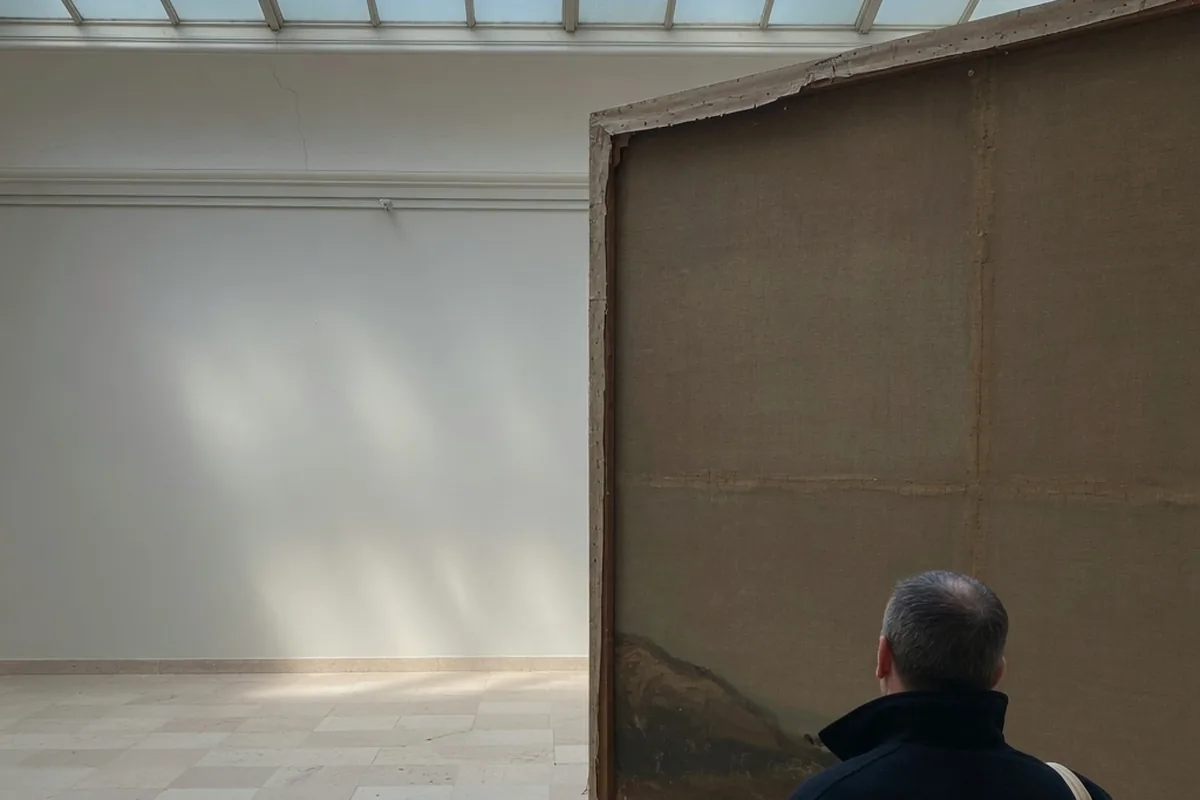
The Halles de Lyon Paul Bocuse (Lyon Food Hall) is the beating heart of Lyonnaise food culture — an indoor market where more than sixty vendors sell the finest products from Lyon and its surrounding regions.
What to Find
- Charcuterie: Sibilia and Bobosse for saucisson, rosette de Lyon, and Jesus de Lyon (a large, slow-cured sausage)
- Cheese: Mère Richard — legendary fromagère-affineure (cheese ripener), famous for her perfectly aged Saint-Marcellin
- Fish: From the counters of Maison Rousseau — Bresse carp, lake fish from Lake Geneva, seafood from the Atlantic
- Pastry: Sève and Voisin for chocolate and the city's famous coussins de Lyon (cushions of Lyon) — chocolate-coated marzipan
- Ready to eat: Several stands serve oysters, charcuterie boards, and quenelles for immediate consumption, with wine by the glass
Visiting
Les Halles is at 102 Cours Lafayette, in Lyon's 3ème arrondissement. Open Tuesday to Sunday, mornings are busiest (and best). Saturday morning is the full experience — arrive early, eat as you go, and budget two hours minimum.
Lyon City Guide — Explore France's gastronomic capital — its Presqu'île, Vieux Lyon, Croix-Rousse, and the riverside traboules
Wine in Lyon
Lyon drinks Beaujolais. The city is so close to the Beaujolais vineyards that the wine was historically brought down the Saône by barge, and the light, fruity, gulpable reds of Beaujolais remain Lyon's house wine. Order a pot lyonnais (Lyonnaise jug) — a 46cl thick-bottomed glass bottle — in any bouchon.
For finer occasions, the northern Rhône appellations are close at hand: Côte-Rôtie, Hermitage, Condrieu, and Saint-Joseph all come from within an hour's drive south.
The mâchon (late morning meal) is a Lyonnaise tradition dating to the silk workers: a mid-morning meal at the bouchon of charcuterie, eggs, tripe, and a pot of Beaujolais. Some bouchons still serve the mâchon — a working breakfast like no other.
Practical Information
Recommended Bouchons
- Daniel et Denise (3 locations) — run by Joseph Viola, Meilleur Ouvrier de France; perhaps the finest bouchon in the city
- Le Café Comptoir Abel — Lyon's oldest bouchon (established 1928); classic atmosphere and reliable cooking
- Chez Paul — on the Rue Major Martin; a neighbourhood institution for tablier de sapeur
- Le Poêlon d'Or — in the Presqu'île; excellent quenelles and a serious wine list
What to Order on a First Visit
Start with salade lyonnaise (Lyon salad), follow with quenelles de brochet, sauce Nantua (pike dumplings in crayfish sauce), finish with cervelle de canut (herbed cheese) and the tarte aux pralines (praline tart). Drink a pot of Brouilly or Morgon (Beaujolais crus).
Recommended Reading
- Bocuse in His Kitchen by Paul Bocuse — the master's own recipes and philosophy. View on Amazon UK
- Les Mères Lyonnaises by Madeleine Peter — the story of the women who created Lyonnaise gastronomy. View on Amazon UK
- Hungry for France by Alexander Lobrano — includes the definitive modern guide to Lyon's bouchons. View on Amazon UK
Summary
Lyon's claim to be France's gastronomic capital rests not on fame or fashion but on depth — a culinary tradition built by women cooks, silk workers, and market traders over centuries, supported by the finest agricultural hinterland in France, and sustained by a city that treats eating well not as luxury but as daily necessity. A meal at a good bouchon — quenelles trembling in sauce Nantua, a pot of Beaujolais glowing ruby in the glass, the cervelle de canut arriving cool and herbed — is as close as food gets to the meaning of life, Lyonnaise-style.