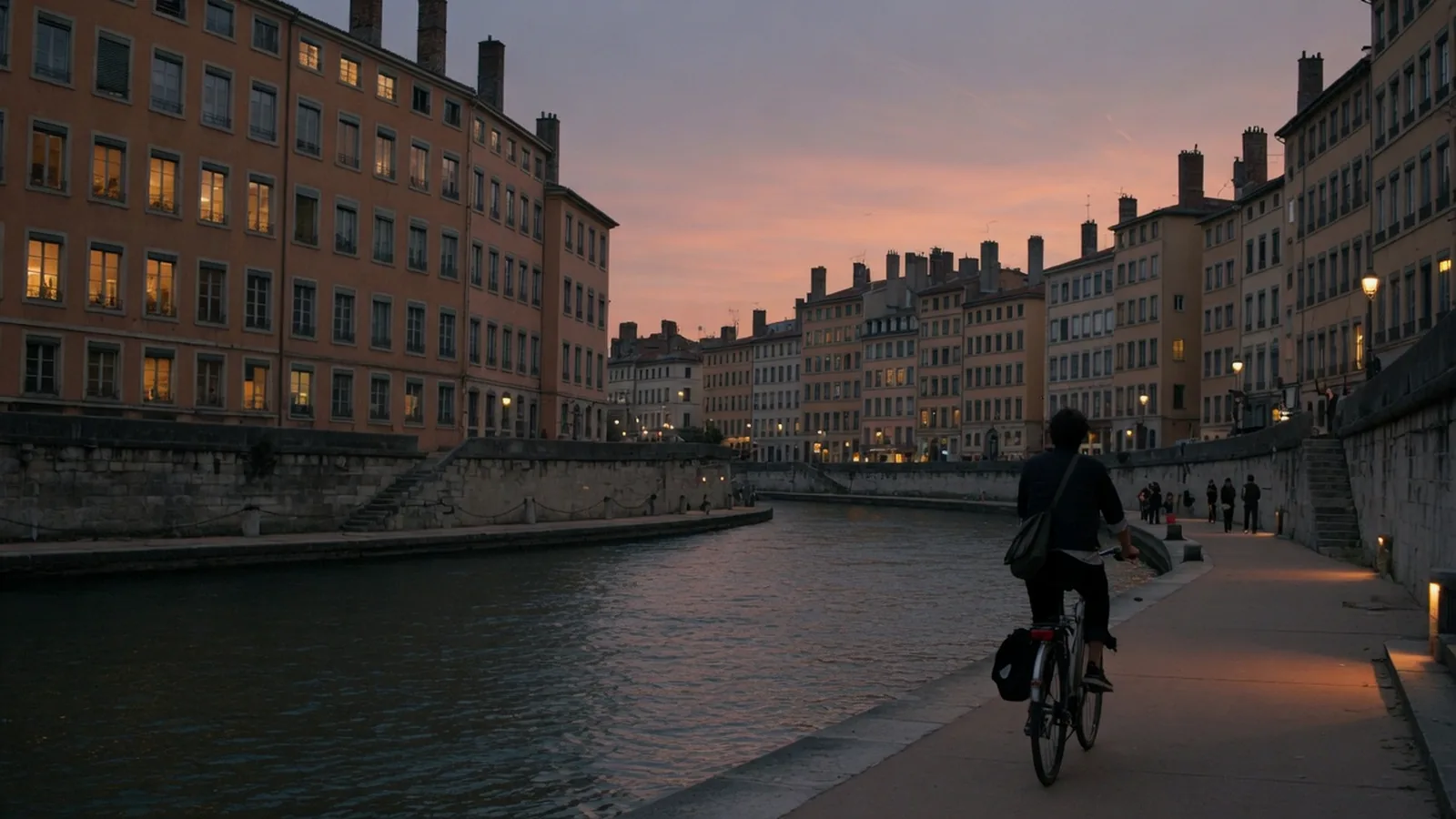
The apéritif (the pre-dinner drink(s) and snacks — the ritual, not merely the beverage) — universally shortened to l'apéro (casual form: the pre-dinner drinks) — is the most important social ritual in French daily life. It is the moment when the working day ends and the evening begins, when friends gather, when neighbours become friends, and when the transition from obligation to pleasure is formally marked by the pouring of a drink. It is not optional. It is not negotiable. It is France.
What the Apéro Is (and Is Not)
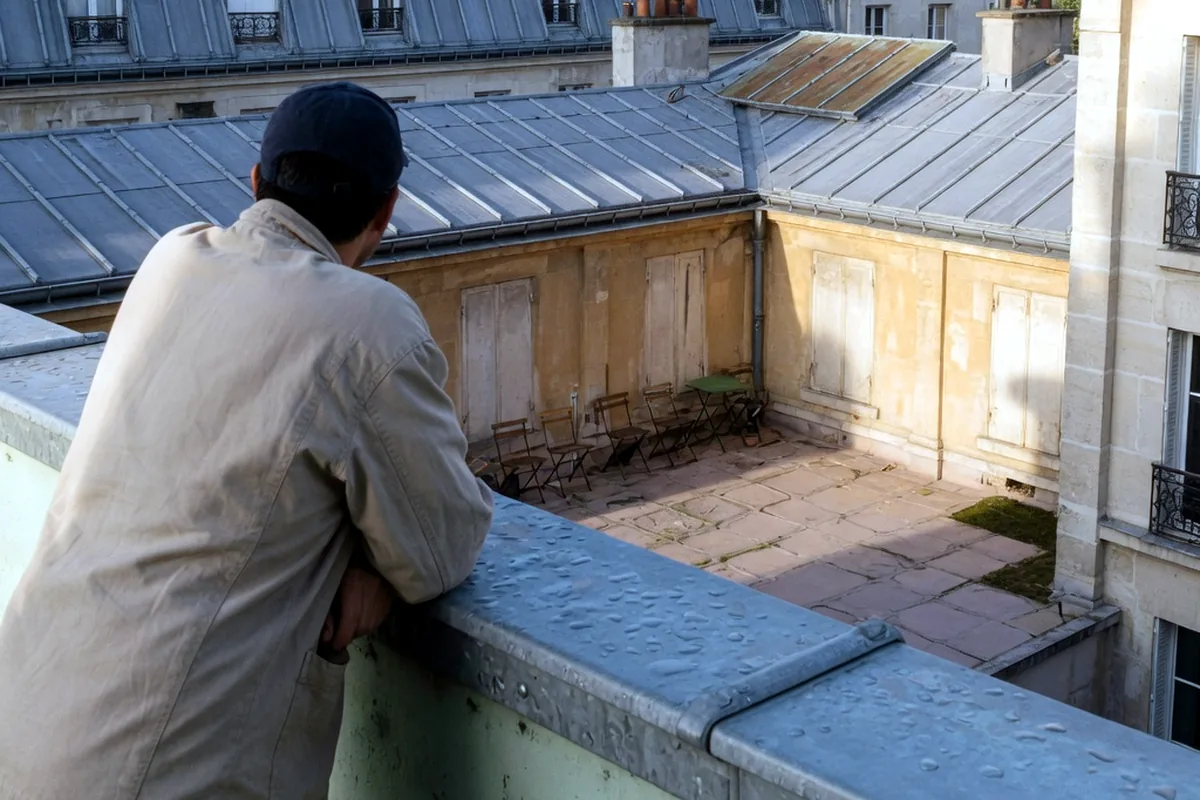
The apéro is not drinks before dinner. Drinks before dinner is what the British call "having a drink." The apéro is a structured ritual with its own timing, its own drinks, its own food, and its own social grammar. It occupies a specific window — roughly 6 PM to 8 PM — and serves a specific purpose: to stimulate the appetite, to decompress, and to socialise.
The operative word is convivialité (conviviality — warm, friendly social togetherness). The apéro is the French mechanism for generating convivialité on a daily basis.
The Rules
- Timing. The apéro begins after work and ends before dinner. It is not a replacement for dinner. Exceeding the window — turning the apéro into a drinking session — is a apéro dinatoire (an extended apéritif that replaces dinner), which is a separate and more modern institution.
- Drinks. The drinks are light and appetite-stimulating. Wine, pastis, kir, vermouth, light cocktails. Spirits (whisky, vodka) are not traditional apéro drinks, though preferences are evolving.
- Food. Accompaniments are small, salty, and simple: olives, peanuts, saucisson (dry-cured sausage), chips, gougères (cheese puffs made with choux pastry and Gruyère), radishes with butter. Nothing substantial. The point is not to eat but to nibble.
- Company. The apéro is social. Drinking alone at home is having a drink. Drinking with others is the apéro.
The Classic Apéro Drinks
| Traditional Apéritif Drinks | Detail |
|---|---|
| Pastis — The anise-flavoured spirit of Provence. Served with water (which turns it cloudy) and ice. Ricard and 51 are the dominant brands. The south swears by it. | |
| Kir — White wine (traditionally Bourgogne Aligoté) with a dash of crème de cassis (blackcurrant liqueur). Invented (or at least popularised) by Canon Félix Kir, mayor of Dijon. Kir Royale substitutes Champagne. | |
| Rosé — A glass of chilled Provence rosé is the modern apéro default, especially in summer. The explosive growth in French rosé consumption is largely driven by the apéro. | |
| Champagne — For celebrations and affluent apéros. Champagne is inherently an apéritif drink — dry, effervescent, appetite-stimulating. | |
| Vermouth — Noilly Prat (dry, from Marseillan in Languedoc) or Lillet (from Bordeaux). Served chilled with a twist. Currently experiencing a revival. | |
| White wine — A dry Muscadet, Sancerre, or Chablis. | |
| Suze — A bitter gentian-root liqueur. Bright yellow, intensely herbaceous. An acquired taste and a cult apéro drink. | |
| Beer — A demi (a 25cl glass of draught beer) of lager or, increasingly, a craft beer. |
The Modern Evolution
The apéro is evolving. Spritz (Aperol or local variations) has conquered French terrasses. Craft beer has entered the rotation. Non-alcoholic options — virgin (alcohol-free) cocktails, sparkling water with syrup — are gaining acceptability. The apéro dinatoire — an extended apéro with enough food to replace dinner — has become a standard form of entertaining, especially in summer. You lay out a spread: charcuterie, cheese, crudités, dips, bread, small tarts — and the apéro becomes the meal.
L'Apéro Across France
The apéro takes regional forms:
- Provence/Marseille — Pastis dominates. Served with tapenade, olives, and anchoïade (anchovy dip).
- Burgundy — Kir. Served with gougères.
- Bordeaux — Red wine, even as an apéritif. Canelés (small rum-and-vanilla cakes) as an accompaniment.
- Normandy — Calvados or Pommeau (apple juice and calvados blend). Served with Camembert.
- Alsace — A glass of Crémant d'Alsace. Bretzels and flammekueche.
- The Southwest — Armagnac-based cocktails. Foie gras on toast.
- Brittany — Cider or Muscadet. Buckwheat blinis.
The Social Grammar
Who Initiates?
Anyone. "On prend l'apéro?" ("Shall we have an apéro?") is one of the most frequently spoken sentences in French. The invitation is casual, the acceptance virtually automatic. Declining an apéro invitation requires a reason.
At Home
The home apéro is informal. A bottle of wine or pastis, a bowl of olives, some saucisson sliced on a board. Guests sit in the kitchen or on the balcony. Conversation is the main event. The apéro typically lasts 30–60 minutes before the group either moves to dinner (if planned) or disperses.
At a Café
The café terrasse is the apéro's natural habitat. Groups occupy tables, orders accumulate, the energy builds. In summer, the terrasse apéro is the defining social experience of French urban life.
The Apéro Dinatoire
The apéro dinatoire (an apéro that replaces dinner — a standing buffet of small dishes) is the French answer to the cocktail party. It is now the most popular form of home entertaining in France, especially for groups larger than six. The host prepares a range of small dishes — think tapas in scale — and guests eat standing or seated informally. No set courses, no table service, no pressure. It is the least formal French meal and therefore, paradoxically, the most relaxed.
Pastis & Apéritifs — A detailed guide to pastis, vermouth, kir, and the full range of French apéritif drinks.
French Social Customs — The apéritif in the broader context of French social rituals and etiquette.
On the ground
| Pin | Working note |
|---|---|
| Page | L'Apéritif: France's Sacred Pre-Dinner Ritual |
| Desk | La Table |
| First use | Read the pins, then one related page — not five |
| Confirm | Official site or ticket desk the week you go |
If another France InfoBuffoon guide owns the beat — a park gate, a museum Tuesday, a wine list — we send you there instead of duplicating a thinner copy here. L'Apéritif: France's Sacred Pre-Dinner Ritual sits in a country that is easy to over-plan and easy to under-prepare. The traditions layer is where visitors collect names. This page is the opposite: what to do first, what to skip, and which sibling guide holds the rest.
France rewards a slow unit. One arrondissement, one valley, one appellation, one park trail. The photograph of five landmarks in five days is a real holiday, and it is also a queue with a passport. If you only have three nights, spend two of them in the same bed. The third night is for a train, not a third hotel.
Working a visit
Practical France is sockets (Type E/F, 230 V), tap water that is safe, pharmacies that are the real clinic for minor trouble, and a lunch hour that still closes a village. Cards work in cities. Cash still opens some park kiosks, some island boats, and some market stalls that have never seen contactless. A lightweight adapter belongs in the personal item, not the hold.
We will not write as if every reader is on a gap year, or as if every reader is in a palace hotel. We will not flatten 'the south' into one climate. We will not treat a strike day, a jour férié, or a Tuesday museum closure as a personality quirk of the French. They are calendars. Check them. Then use L'Apéritif: France's Sacred Pre-Dinner Ritual as a pin, not as scripture.
Cross the five guides instead of cloning them. La Porte holds trains and the first week. La Terre holds weather and park gates. L'Esprit holds museum Tuesdays and the Revolution. La Table holds the market morning and the wine list. Le Moteur holds the Tour, the working week, and why August is empty in Paris and full on the coast.