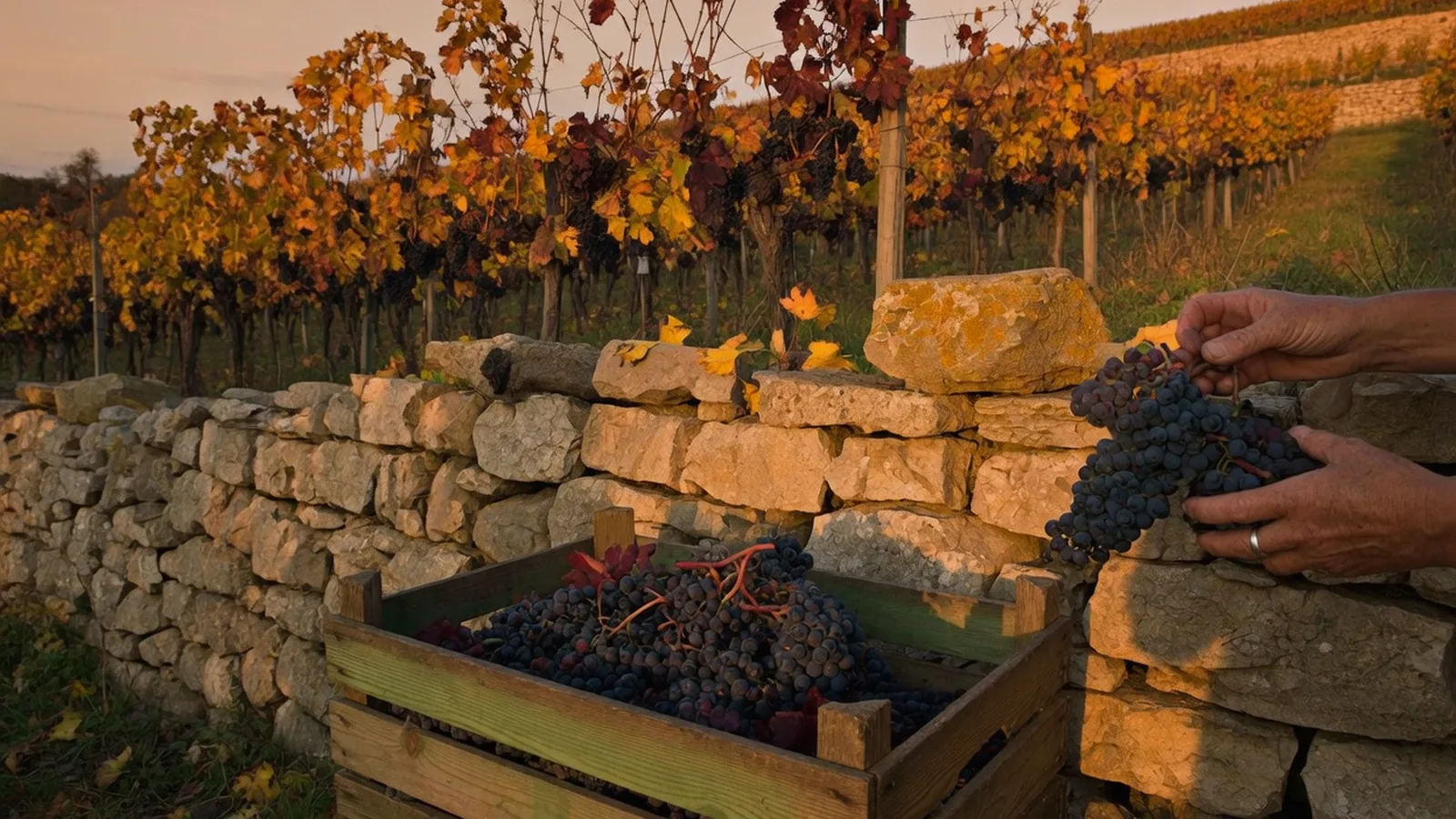
The French café is not a coffee shop. It is an extension of the living room, an outdoor office, a debating chamber, a place to be seen, a place to disappear, and — incidentally — somewhere that serves coffee. The distinction matters: when you sit at a terrasse (the outdoor seating area of a café) with a small, dark express (espresso), you are not purchasing a beverage but renting a seat in the theatre of French public life.
The café has been central to French culture since the seventeenth century. The Enlightenment was plotted in cafés. The Revolution was fuelled by them. Existentialism was formulated over café crème at the Flore. And today, despite — or perhaps because of — the rise of Starbucks and the specialty coffee movement, the traditional French café endures as one of the country's most resilient institutions.
How to Order Coffee in France
The Vocabulary
Ordering coffee in France is straightforward, provided you know the code. What follows is the complete lexicon:
| French Coffee Orders | Detail |
|---|---|
| Un café / un express — A single espresso. The default. Small, strong, black. This is what you get if you ask for "un café." | |
| Un café allongé — A long espresso. More water, same dose of coffee. Not an Americano. | |
| Un café crème — Espresso with steamed milk. The French latte. Ordered at breakfast, almost never after lunch. | |
| Un café au lait — Coffee with hot milk. Traditionally served in a bowl at breakfast (at home). In a café, this is effectively the same as a crème. | |
| Un café noisette — Espresso with a dash of milk. "Noisette" means hazelnut — the colour, not the flavour. | |
| Un double express — A double espresso. For serious cases. | |
| Un déca — Decaffeinated. No shame in ordering one, though you may receive a slightly pitying look. | |
| Un café serré — A short, concentrated espresso. Less water, stronger. | |
| Un café glacé — Iced coffee. More common now than a decade ago but still not standard everywhere. |

The Rules (Unwritten but Absolute)
- Café crème is a morning drink. Ordering one after lunch marks you as a tourist. After a meal, order an express.
- Coffee comes after dessert, not with it. The coffee course is separate from the dessert course. Always.
- Sugar is acceptable. Un sucre, s'il vous plaît. No judgment (unlike in Italy).
- Do not ask for a "to-go" cup in a traditional café. This is not that kind of establishment. Sit, drink, exist.
- The price changes depending on where you sit. Standing at the comptoir (the bar/counter) is cheapest. Sitting inside costs more. The terrasse is the most expensive. This is transparent, legal, and displayed on a menu board.
The History of the French Café
Le Procope and the Birth of Café Culture
The first café in Paris — Le Procope (Paris's oldest café, founded 1686) — opened in 1686, founded by a Sicilian named Francesco Procopio dei Coltelli. It served the new fashion for coffee, introduced to France via the Ottoman Empire, and quickly became a gathering place for writers, philosophers, and political thinkers. Voltaire, Rousseau, Diderot, and Benjamin Franklin all frequented Le Procope. It still exists, on the Rue de l'Ancienne Comédie, though it now operates more as a restaurant than a café.
The Golden Age: Existentialism and Saint-Germain
The twentieth-century zenith of Parisian café culture centres on two establishments in Saint-Germain-des-Prés:
Café de Flore — Sartre and Beauvoir's headquarters. They wrote here daily, heated by the café's coal stove during the wartime winters when their apartments were too cold. The Flore remains a functioning café — expensive, touristy, but atmospherically intact.
Les Deux Magots — Across the boulevard from the Flore. The Surrealists' café (Breton, Éluard, Aragon). Now primarily a tourist destination, but the hot chocolate is still excellent.
La Closerie des Lilas — Hemingway wrote much of The Sun Also Rises here. Montparnasse bohemia.
The Modern Café
The traditional Parisian café — zinc bar, rattan chairs, handwritten prix fixe menu, indifferent waiter — faces economic pressure from rising rents, changing habits, and the encroachment of chain coffee. France has lost roughly half its cafés since the 1960s (from approximately 200,000 to 40,000). Yet the survivors endure, and in smaller cities and villages, the café remains the centre of community life.
The Specialty Coffee Revolution
Third Wave Arrives in France
Since approximately 2010, a specialty coffee movement has taken root in Paris and major French cities, challenging the traditional café's indifference to coffee quality. (Let's be honest: traditional French café espresso is often mediocre — over-roasted, poorly extracted, and redeemed only by atmosphere and ritual.)
The new wave roasts lighter, sources single-origin beans, and applies the same terroir-consciousness to coffee that France applies to wine. Key addresses:
Paris:
- Coutume (7th arr.) — The trailblazer. Specialty roasting since 2011.
- Belleville Brûlerie — Excellent roaster in the 11th. Multiple café locations.
- Café Lomi (18th arr.) — Industrial-chic roastery in La Chapelle.
- Boot Café (3rd arr.) — Tiny, perfect espresso in the Marais.
- Terres de Café — Meticulous sourcing, multiple locations.
Lyon: Mokxa, Café Couture.
Bordeaux: Black List, L'Alchimiste.
Marseille: La Boîte à Café.
The Tension
The specialty movement and the traditional café exist in parallel universes. The specialty shops offer better coffee but none of the social ritual: no terrasse culture, no zinc bar, no lingering over a single express for two hours reading the paper. The traditional cafés offer the ritual but mediocre coffee. The question of whether these two Frances can merge is unresolved.
The Terrasse
The terrasse (outdoor café seating) is sacred. It is the reason Parisians tolerate tiny apartments — the city itself is their living room, and the terrasse is the sofa. The tradition of facing chairs outward, toward the street, is deliberate: the terrasse is for watching, for being watched, for observing the spectacle de la rue (the theatre of the street).
During the COVID-19 pandemic, Paris expanded terrasse permissions dramatically, allowing cafés to colonise parking spaces and pavements. Much of this expansion has been made permanent, to widespread approval. The terrasse is also one of the last places in France where cigarette smoke mixes with conversation — outdoor smoking remains legal and extremely common.
Paris Café Guide — The best cafés in Paris — from historic literary haunts to the new specialty roasters.
Café Culture — How café culture fits into the broader French dining tradition.