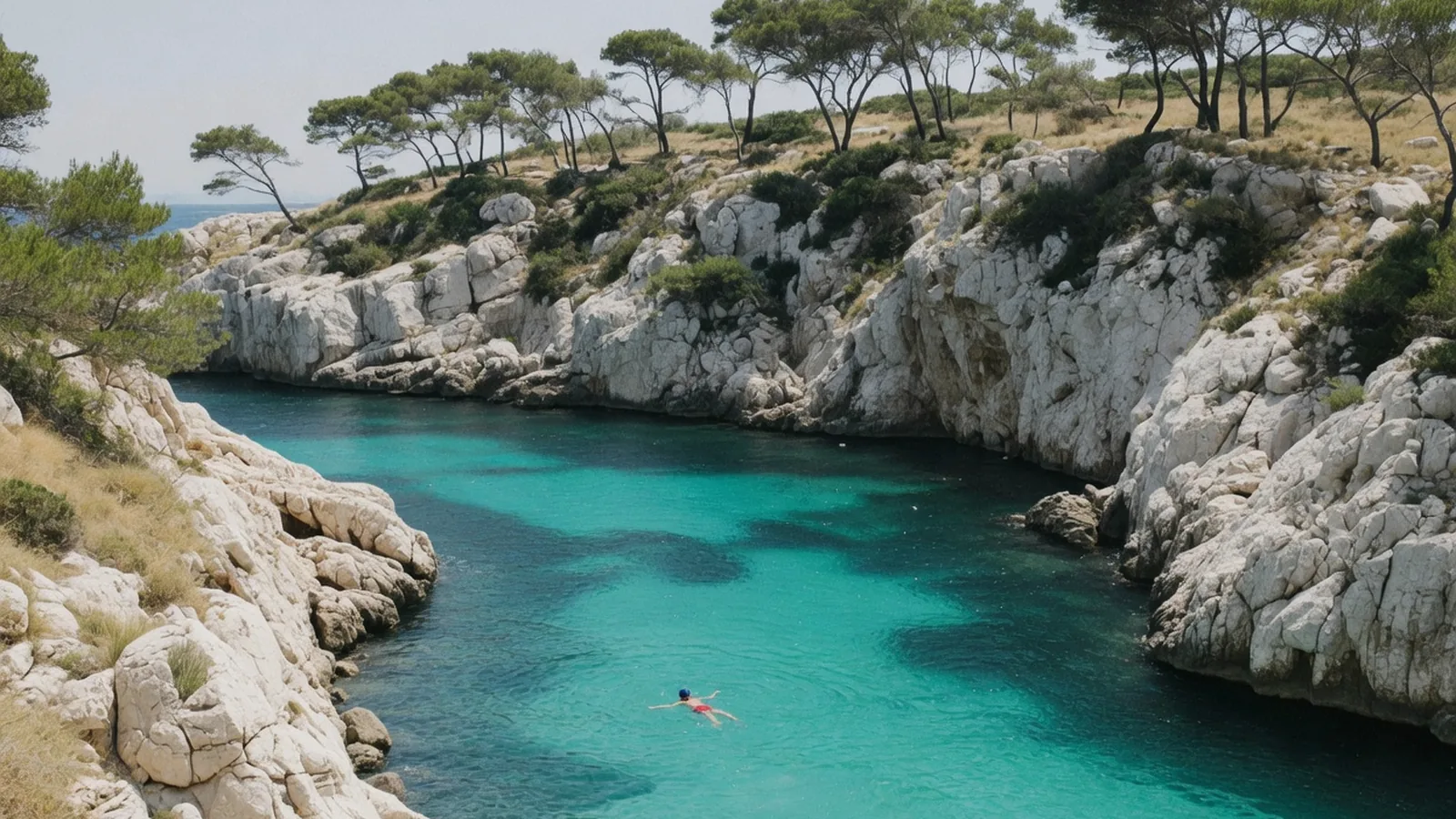
French cooking is seasonal by conviction, not affectation. The rhythm of the French food year is dictated by harvest, tradition, and a genuine belief that things taste right only when eaten at the right time. Strawberries in December are regarded not merely as inferior but as morally suspect. This seasonality structures the markets, the menus, the home kitchen, and the festivals that punctuate the year.
Month by Month
January

In season: Oysters (peak), endive, leeks, celeriac, Jerusalem artichokes, citrus (from Menton and Corsica), black truffles (Périgord).
On the table: January begins with the galette des rois (the King's Cake — a frangipane-filled puff pastry for Epiphany), served from Epiphany (6 January) through the end of the month. A fève (a small figurine hidden inside the galette) is concealed within; whoever finds it is crowned king or queen of the table.
The post-Christmas period is a time for lighter eating after the excesses of the réveillon (the Christmas Eve or New Year's Eve feast). Soups predominate: leek and potato, pumpkin, onion. The truffle season is at its peak, and the truffle markets of Périgord and Provence are at their busiest.
February
In season: Blood oranges (from Corsica), Brussels sprouts, turnips, cabbages, black truffles (final weeks).
On the table: La Chandeleur (Candlemas — Crêpe Day, 2 February) on 2 February is France's crêpe day. Every household makes crêpes — tradition demands you hold a coin in one hand while flipping a crêpe with the other for good luck. Crêperies do their busiest day of the year.
Festival: The Menton Lemon Festival (Fête du Citron (Lemon Festival)), a two-week celebration of Menton's citrus crop with monumental sculptures made from oranges and lemons.
March
In season: First asparagus (white, from the Landes and Alsace), spring lamb, watercress, radishes. The market stalls begin to brighten.
On the table: Pre-Easter cooking intensifies. Agneau pascal (Easter lamb) begins appearing on menus. Mothering Sunday (the last Sunday in March or first in April) is celebrated with a family meal.
April
In season: Green asparagus, morels, peas, spring onions, strawberries (Gariguette variety — the first and most prized), spring lamb.
On the table: Easter is the year's first great feast: whole roast leg of lamb with flageolets (small, pale green beans), sometimes with spring vegetables. Chocolate eggs and figurines from chocolatiers are gifts, not merely commercial products — the artistry is extraordinary.
Festival: Foire au Jambon (Ham Fair, Paris) — a centuries-old tradition at Place de la Nation.
May
In season: Asparagus (peak), cherries (the first), strawberries (peak Gariguette), artichokes (Breton), new garlic (from the Drôme).
On the table: May is asparagus month. White asparagus is served with hollandaise or vinaigrette. Green asparagus is grilled, roasted, or folded into omelettes. The cherry season opens.
Festival: Fête de la Transhumance (various locations) — celebrations of the seasonal movement of livestock to mountain pastures, with tastings and markets.
June
In season: Apricots, peaches, courgettes, aubergines, tomatoes (the first), cherries (peak), fraises des bois (wild strawberries).
On the table: Summer cooking begins. Salads, grilled fish, ratatouille. The first rosé appears on terrasses. June 21 is the Fête de la Musique (National Music Day), celebrated with outdoor concerts and street eating.
July
In season: Tomatoes (peak), melons (Cavaillon), peaches, nectarines, figs (first), courgettes, peppers, basil.
On the table: Full summer. The Provençal kitchen dominates: ratatouille, tian, salade niçoise, pan bagnat (a Niçoise olive-oil-soaked sandwich). Bastille Day (14 July) is celebrated with firemen's balls and neighbourhood barbecues — the one occasion when the French grill en masse.
Festival: The Tour de France passes through regions, bringing food festivals in its wake.
August
In season: Figs, plums (mirabelles — the golden plum of Lorraine), melons, grapes (table), tomatoes, peppers. Les vacances (the summer holidays) empty the cities and fill the coasts and countryside.
On the table: August is holiday cooking: simple, outdoor, abundant. Beach picnics, méchoui (whole spit-roast lamb) at village fêtes, market-to-table meals at rented farmhouses.
Festival: Fête de la Mirabelle (Metz) — celebrating Lorraine's golden plum with parades, tastings, and pie competitions.
September
In season: Grapes (wine harvest), mushrooms (ceps, girolles), figs, pears, walnuts, plums.
On the table: September is la rentrée (the return — back to school, back to work) and with it, the return of serious cooking. The vendanges (grape harvest) dominate wine regions — many offer harvest experiences. The supermarket Foire aux Vins (annual Wine Fair — massive wine sales) is a national event that wine lovers plan around.
Festival: Fête des Vendanges de Montmartre (Paris) — a quirky celebration of the tiny Montmartre vineyard.
October
In season: Wild mushrooms (peak — ceps, trompettes de la mort, pieds de mouton), chestnuts, game (pheasant, venison, wild boar), pumpkins and squash, apples, pears.
On the table: Autumn cooking: game stews, mushroom fricassees, chestnut soups, tarts. The first pot-au-feu (the French boiled-meat-and-vegetable one-pot) of the season. Halloween is not traditionally French, but pumpkin is — courge and butternut appear at every market.
Festival: Fête de la Châtaigne (chestnut festivals throughout the Ardèche, Corsica, and Cévennes).
November
In season: Oysters (season begins properly on 1 November), black truffles (first Périgord specimens), root vegetables, game, Brussels sprouts, endive.
On the table: Wine and food take centre stage with Beaujolais Nouveau (the new Beaujolais wine, released the third Thursday of November), released on the third Thursday. A divisive event — purists scoff, but the marketing is effective. Meanwhile, the year's first oyster platters appear.
Festival: Beaujolais Nouveau celebrations nationwide. Truffle markets open in Provence and Périgord.
December
In season: Oysters, scallops (coquilles Saint-Jacques), lobster, foie gras, truffles, citrus, chestnuts.
On the table: December builds toward the réveillon de Noël (the Christmas Eve feast — the most important meal of the year) on Christmas Eve and the réveillon du Nouvel An (the New Year's Eve feast) on 31 December. These are France's most elaborate meals.
| The Christmas Réveillon | Detail |
|---|---|
| Oysters — A dozen per person, with lemon and mignonette | |
| Foie gras — With Sauternes and toasted brioche | |
| Smoked salmon — Often as a course between oysters and the main | |
| Main course — Turkey with chestnuts, capon, or (in southern France) the Seven Fish or Thirteen Desserts of Provence | |
| Cheese | |
| Bûche de Noël — The Yule log cake: chocolate or chestnut | |
| Champagne — Throughout |

Festival: Christmas markets throughout Alsace (Strasbourg, Colmar, Mulhouse, Kaysersberg). The Foire aux Santons in Marseille (Provençal nativity figurines, also accompanied by food stalls).
Key Food Festivals
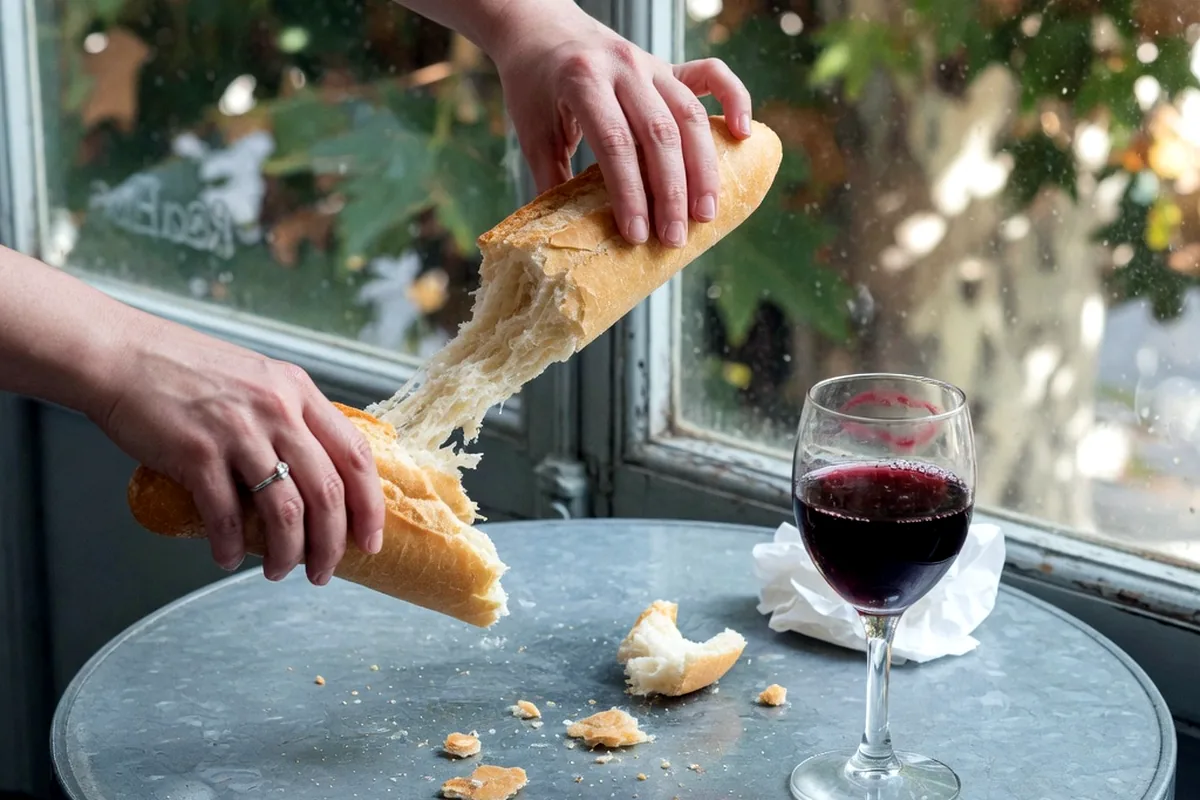
When to Visit France — Seasonal travel guide — matching your trip to the harvest calendar and food festivals.
French Festivals — The cultural calendar beyond food — national holidays, local fêtes, and traditions.