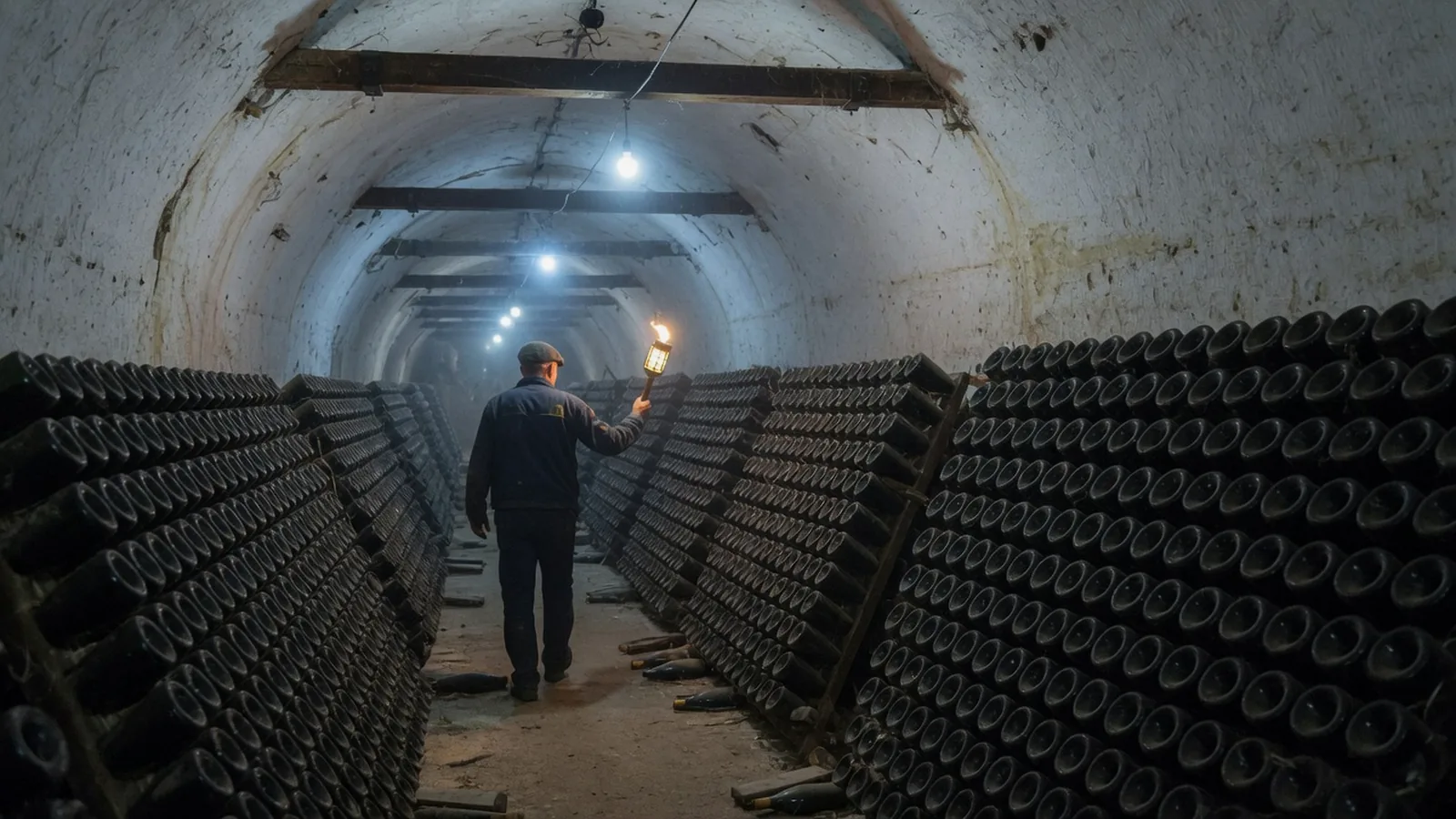
France's relationship with cocktails is characteristically contradictory. The French invented (or at least perfected) many of the world's most enduring drinks — the Sidecar, the French 75, the Kir Royale — and yet France was, until recently, one of the last major European countries to embrace modern cocktail culture. For decades, ordering a cocktail in a French bar meant receiving something sticky, sweet, and bright pink, or simply a blank stare. Wine and aperitifs were serious; cocktails were for tourists.
That has changed dramatically. Paris now hosts several of the world's best bars, a new generation of French bartenders has brought Gallic precision to mixology, and French spirits (Cognac, Calvados, Chartreuse, crème de cassis) are enjoying a global cocktail renaissance.
Classic French Cocktails
Sidecar
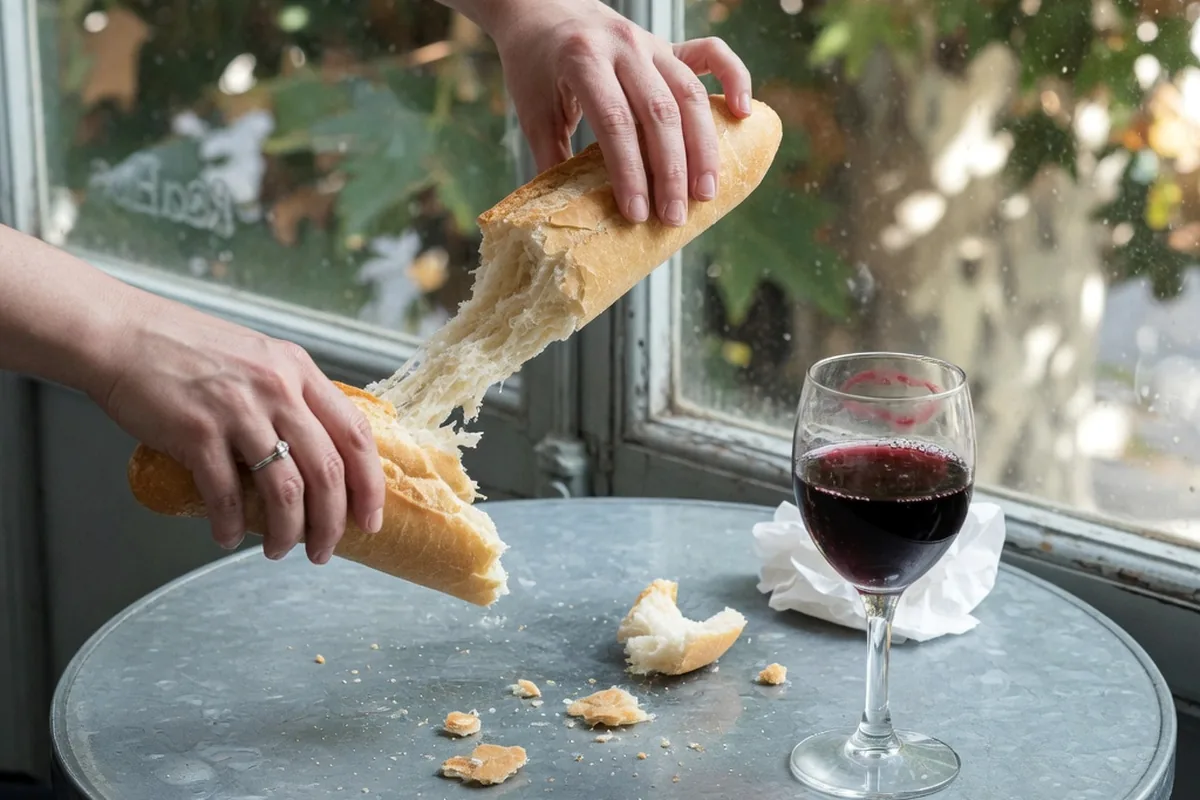
The most famous French cocktail — Cognac, Cointreau (or other orange liqueur), lemon juice, shaken and served in a sugar-rimmed coupe. Invented in Paris at either the Ritz or Harry's New York Bar (both claim credit, neither can prove it) in the early 1920s. The Sidecar is the template for all sour-style cocktails and remains the single best argument for putting Cognac in a shaker.
French 75
Champagne, gin, lemon juice, sugar. Named for the French 75mm field gun of World War I — the drink's kick being compared to an artillery bombardment. Light, sparkling, devastatingly easy to drink. The Cognac variation (substituting Cognac for gin) is arguably more authentically French and equally excellent.
Kir Royale
Champagne with crème de cassis. Simple, elegant, festive. See the aperitifs chapter for the Aligoté-based original.
Mimosa
Champagne and fresh orange juice, supposedly invented at the Ritz Paris in 1925 (though the Italians claim it as the "Buck's Fizz"). A brunch staple worldwide.
Death in the Afternoon
Champagne with absinthe. Created by Ernest Hemingway, who provided characteristically concise instructions: "Pour one jigger absinthe into a Champagne glass. Add iced Champagne until it attains the proper opalescent milkiness."
Vieux Carré
Rye whiskey, Cognac, sweet vermouth, Bénédictine, Peychaud's bitters. Not technically French (it's from New Orleans), but built on French spirits and named for the French Quarter.
French Spirits in Modern Cocktails
Chartreuse
The most mysterious spirit in France. Chartreuse (herbal liqueur made by Carthusian monks) — both green (55% ABV, 130 herbs) and yellow (40%, sweeter, milder) — is made by Carthusian monks at the Grande Chartreuse monastery in the Alps using a secret recipe dating to 1737. Only two monks know the full formula at any given time.
Green Chartreuse is one of the most versatile and distinctive cocktail ingredients in existence: herbal, sweet, complex, intense. It powers the Last Word (with gin, lime, and maraschino) and the Chartreuse Swizzle, and adds depth to almost any cocktail that needs an herbal kick.
Bénédictine
Another monastic liqueur (though the current connection to monks is tenuous). Honey, herbs, spices. B&B (Bénédictine and brandy) is a classic digestif.
Cointreau
The world's most famous orange liqueur, produced in Angers since 1875. Essential in Margaritas, Sidecars, Cosmopolitans, and numerous French cocktails.
St-Germain
Elderflower liqueur, launched in 2007 and swiftly nicknamed "bartender's ketchup" for its ability to improve almost anything. Made from fresh elderflowers hand-picked in the French Alps. Not traditional, but ubiquitous.
The Paris Bar Scene
Historic Bars
Harry's New York Bar — 5 Rue Daunou, 2nd arrondissement. Founded 1911. Claims credit for the Sidecar, the Bloody Mary, and the French 75. The International Bar Flies drinking club meets here. Hemingway, Gershwin, and Coco Chanel were regulars.
Bar Hemingway at the Ritz — Reopened after the Ritz's four-year renovation. Small, intimate, wood-panelled, and charged with literary ghosts. Colin Peter Field's cocktails are precise and expensive.
Le Bar at the Hôtel Plaza Athénée — Chic, mirrored, celebrity-frequented. The cocktail list leans French-spirited.
Modern Cocktail Bars
Paris's modern cocktail scene is concentrated in the Marais, the 10th/11th arrondissements, and Saint-Germain:
Experimental Cocktail Club (ECC) — The bar that launched the Parisian cocktail revolution in 2007. Speakeasy-style. The founders have since expanded to London, New York, and Ibiza.
Little Red Door — Conceptual cocktails, annual thematic menus. Consistently ranked among the world's best bars.
Candelaria — Taqueria in front, hidden mezcal-and-cocktails bar behind the fridge. The best Mexican-inflected drinks in Paris.
Le Syndicat — Exclusively French spirits. No imported base spirits — everything is built on Cognac, Calvados, Armagnac, Chartreuse, Pastis, and French liqueurs. A manifesto in liquid form.
Combat — Natural wine bar meets cocktail bar. Lo-fi, creative, excellent.
Beyond Paris
Marseille: La Part des Anges (natural wine and cocktails), Carry Nation (speakeasy).
Lyon: Le Boudoir, Bec du Jazz.
Bordeaux: Symbiose, Le Caillou du Jardin Botanique.
Nice: Le Plongeoir, Cap Riviera.
Paris Nightlife Guide — The best bars, wine bars, and cocktail spots in Paris — from historic hotel bars to hidden speakeasies.
On the ground
| Pin | Working note |
|---|---|
| Page | French Cocktails & Bars: From Classic Boulevardiers to Modern Mixology |
| Desk | La Table |
| First use | Read the pins, then one related page — not five |
| Confirm | Official site or ticket desk the week you go |
If another France InfoBuffoon guide owns the beat — a park gate, a museum Tuesday, a wine list — we send you there instead of duplicating a thinner copy here. French Cocktails & Bars: From Classic Boulevardiers to Modern Mixology sits in a country that is easy to over-plan and easy to under-prepare. The drinks layer is where visitors collect names. This page is the opposite: what to do first, what to skip, and which sibling guide holds the rest.
France rewards a slow unit. One arrondissement, one valley, one appellation, one park trail. The photograph of five landmarks in five days is a real holiday, and it is also a queue with a passport. If you only have three nights, spend two of them in the same bed. The third night is for a train, not a third hotel.
Working a visit
Practical France is sockets (Type E/F, 230 V), tap water that is safe, pharmacies that are the real clinic for minor trouble, and a lunch hour that still closes a village. Cards work in cities. Cash still opens some park kiosks, some island boats, and some market stalls that have never seen contactless. A lightweight adapter belongs in the personal item, not the hold.
We will not write as if every reader is on a gap year, or as if every reader is in a palace hotel. We will not flatten 'the south' into one climate. We will not treat a strike day, a jour férié, or a Tuesday museum closure as a personality quirk of the French. They are calendars. Check them. Then use French Cocktails & Bars: From Classic Boulevardiers to Modern Mixology as a pin, not as scripture.
Cross the five guides instead of cloning them. La Porte holds trains and the first week. La Terre holds weather and park gates. L'Esprit holds museum Tuesdays and the Revolution. La Table holds the market morning and the wine list. Le Moteur holds the Tour, the working week, and why August is empty in Paris and full on the coast.