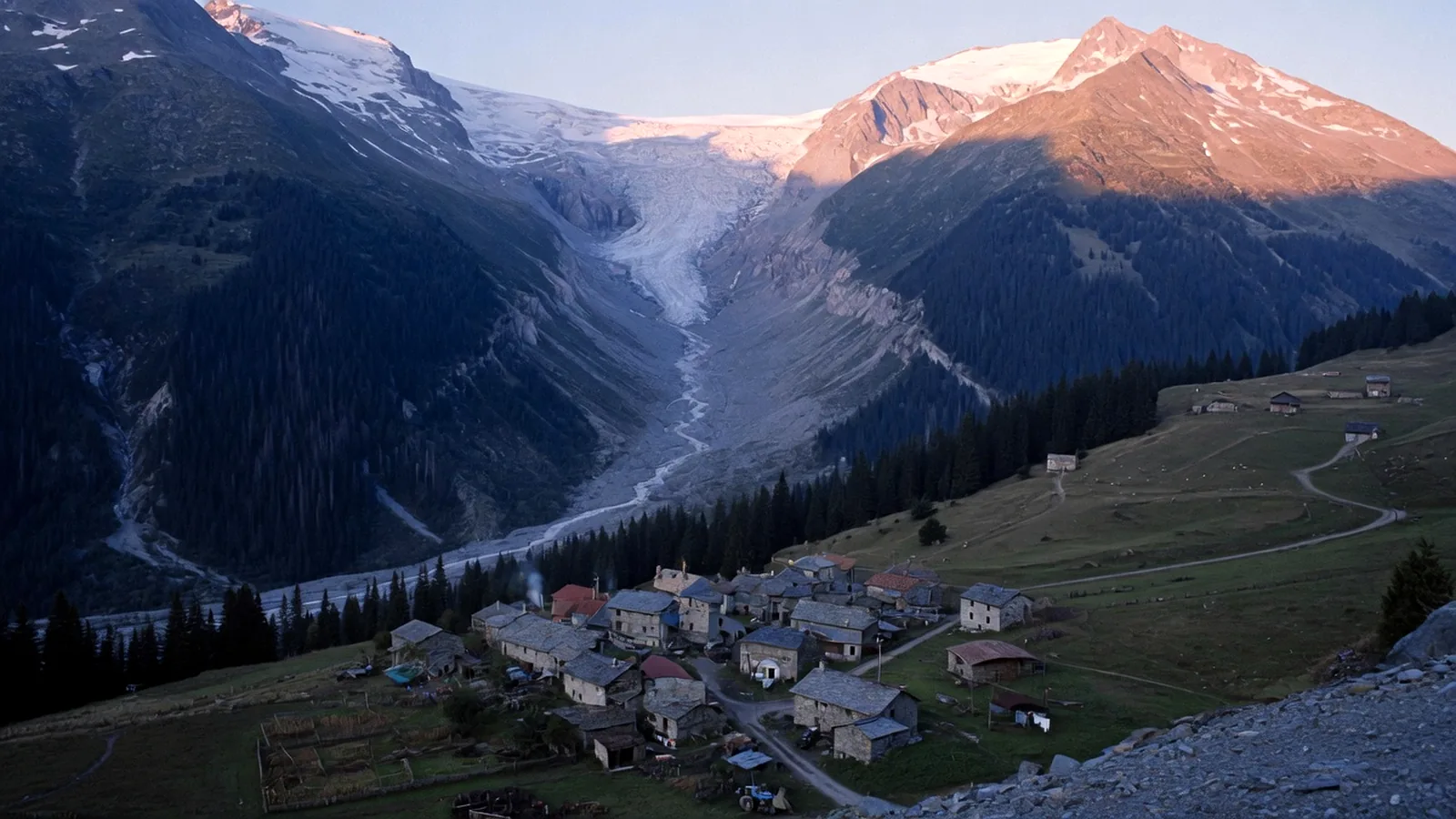
The cheese course is not a French tradition. It is a French article of faith. Between the main course and dessert — always between, never after — comes the plateau de fromages (the cheese board/platter), bearing three to seven cheeses arranged with the same deliberation a florist applies to a bouquet. To skip the cheese course in France is not merely unfortunate but faintly barbaric, like skipping a verse of the national anthem.
When and Where
The Position in the Meal
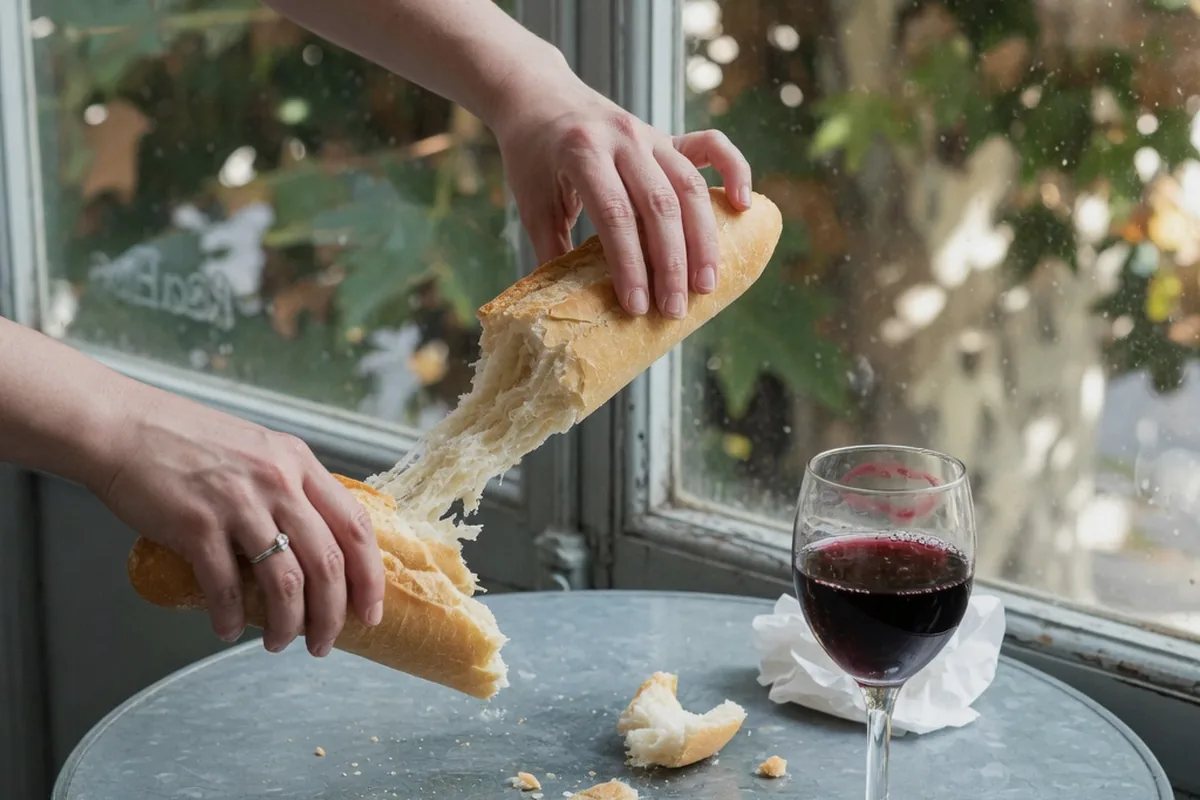
The cheese course occupies a fixed liturgical position: after the main course, before dessert. In a formal multi-course meal, it follows the salad (which in France comes after the main, not before). The logic is gastronomic: cheese transitions the palate from savoury to sweet, and the remaining red wine from the main course accompanies it.
At home, the cheese course is an everyday event, not a special occasion. Even a weeknight dinner of soup and salad may conclude with a wedge of Comté and a few walnuts. In restaurants, the cheese trolley or platter is offered between main and dessert, and declining it is entirely acceptable — but choosing it is a sign that you understand the rhythm of a French meal.
The Cheese Trolley
In fine-dining restaurants, the chariot de fromages (the cheese trolley) is a rolling monument to French dairy — thirty to fifty cheeses at various stages of ripeness, presented by a maître fromager (the cheese master, who manages the restaurant's cheese selection) who will guide your selection based on preferences, the wine you're drinking, and what you've eaten. The chariot is wheeled to your table with theatrical gravity. You select three to five cheeses, which are cut and plated before you.
Building a Cheese Plate
The Principles
A well-constructed plateau de fromages (cheese board) follows rules:
A Classic Five-Cheese Plate
A reliable composition for a dinner party:
- A soft, bloomy rind — Camembert de Normandie (AOP), Brie de Meaux (AOP), or a ripe Saint-Marcellin.
- A washed rind — Époisses, Munster, or Pont-l'Évêque. The strong, orange-rinded, aromatic cheeses.
- A hard/pressed cheese — Comté (24 months+), Beaufort, or Cantal Vieux. The backbone of the plate.
- A goat's cheese — Crottin de Chavignol, Sainte-Maure de Touraine, or Rocamadour. Fresh to aged, depending on preference.
- A blue — Roquefort (the king), Fourme d'Ambert (milder), or Bleu d'Auvergne.
Accompaniments
- Bread — A good baguette, sliced. Some also offer walnut bread or raisin bread for blue cheeses.
- Wine — The remaining red wine from the main course, or a specific pairing. Contrary to popular belief, many cheeses pair better with white wine: Sauternes with Roquefort, Gewurztraminer with Munster, Sancerre with goat's cheese.
- No crackers. This is a point of Franco-British divergence. The French serve bread with cheese, not crackers.
- Fruit and nuts — Walnuts, dried figs, quince paste (pâte de coing (quince paste)) are acceptable. Grapes are decorative but not essential.
- Butter — In Brittany and Normandy, butter may accompany the cheese course. Elsewhere, unnecessary — the cheese is rich enough.
How to Eat Cheese in France
Cutting

French cheese-cutting etiquette is taken seriously. The principle is simple: everyone must receive an equal proportion of rind to centre. Since the centre is the richest, most flavourful part, cutting off the nose of a wedge (taking the centre and leaving the rind for others) is a social offence.
- Round cheeses (Camembert, Brie): Cut in wedges, like a pie.
- Wedge-shaped cheeses (Comté, Cantal): Slice parallel to the rind.
- Log-shaped goat's cheeses (Sainte-Maure): Slice into rounds.
- Pyramidal cheeses (Valençay): Cut in vertical wedges from top to base.
- Blue cheese (Roquefort): Cut from the edge toward the centre, fanning out.
The Fork Question
Cheese is eaten with a knife and fork at formal tables, with fingers at casual ones. Bread is torn, not cut. You place cheese on a piece of bread, eat, and repeat. You do not make a sandwich or stack cheese on bread in layers.
The Order
Eat from mildest to strongest: goat's cheese first, then pressed cheeses, then soft cheeses, finishing with blue or washed-rind. This protects the palate and respects each cheese's character.
Cheese in French Life
The Daily Cheese
Most French households keep two to four cheeses in the refrigerator at all times. The daily cheese course at home is unglamorous: a wedge of Comté and a piece of baguette after dinner. But its regularity — its dailiness — is what matters. The cheese course is the ritual that converts an ordinary meal into a French meal.
The Fromager's Role
The fromager (cheese shop owner/specialist) is not merely a retailer but a craftsman. A good fromager knows the provenance, age, and optimum ripeness of every cheese in the shop and will guide purchases with the same authority a sommelier applies to wine. The relationship is personal: regulars are known, preferences remembered.
France has approximately 1,600 named cheeses, of which 46 hold Appellation d'Origine Protégée (Protected Designation of Origin — the quality and provenance certification) (AOP) status. The AOP system guarantees origin, production methods, and quality — it is to cheese what AOC is to wine.
Cheese — The complete guide to French cheese — 1,600 varieties, AOP classifications, and the great cheeses of each region.
French Pastoral Landscapes — The terroir behind French cheese — Alpine pastures, Norman bocage, and the landscapes that shape flavour.