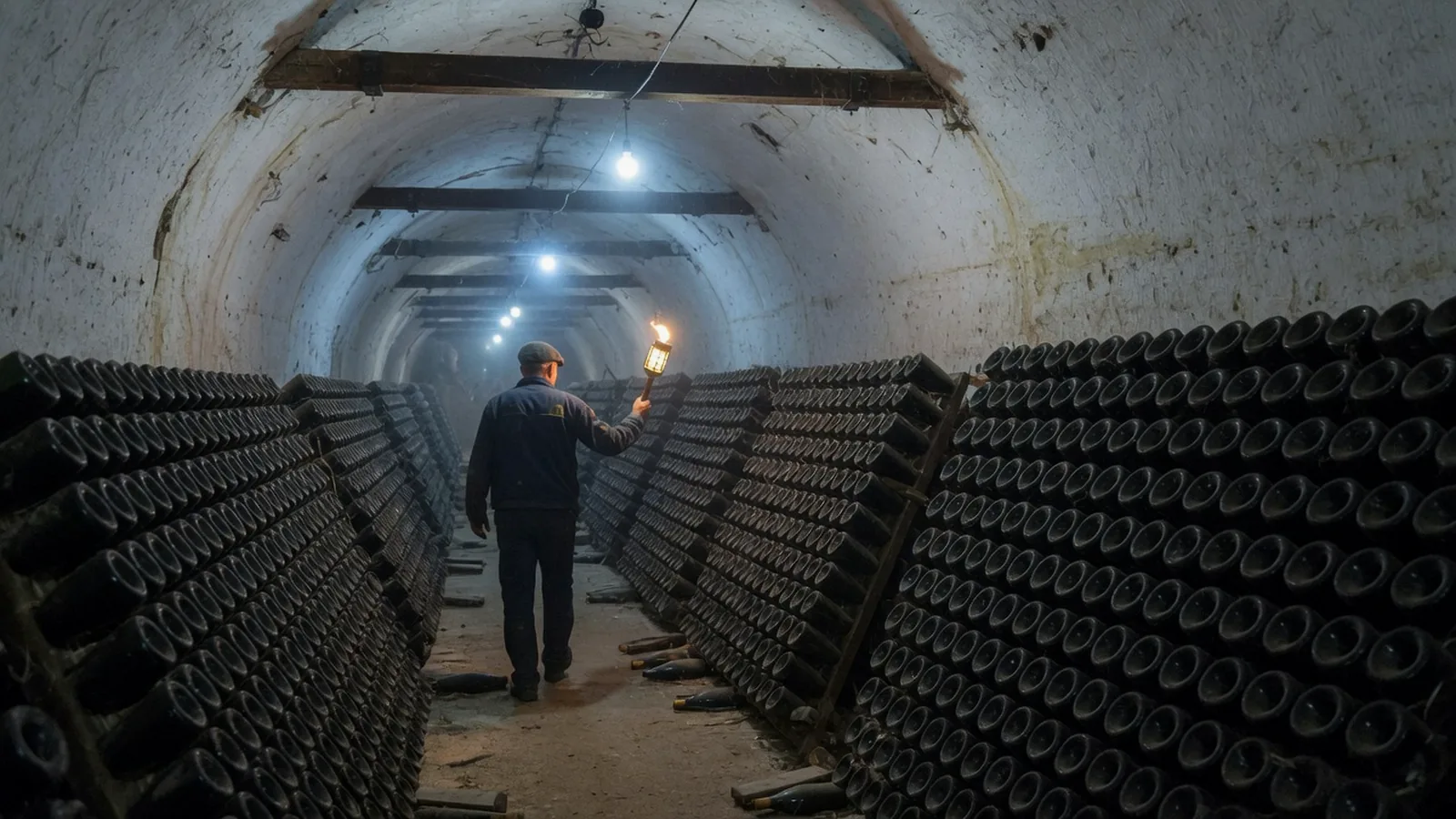
France is not one cuisine but many. A Provençal cook reaching for olive oil and garlic operates in an entirely different tradition from an Alsatian preparing choucroute garnie (dressed sauerkraut) or a Breton folding galettes on a bilig (cast-iron crêpe griddle). The genius of French gastronomy lies not in uniformity but in astonishing regional diversity — each terroir (taste of place) producing dishes that could exist nowhere else.
This page provides an overview of France's major regional culinary traditions. Each region listed below has its own dedicated in-depth guide — follow the links to explore further.
Why France Has So Many Cuisines
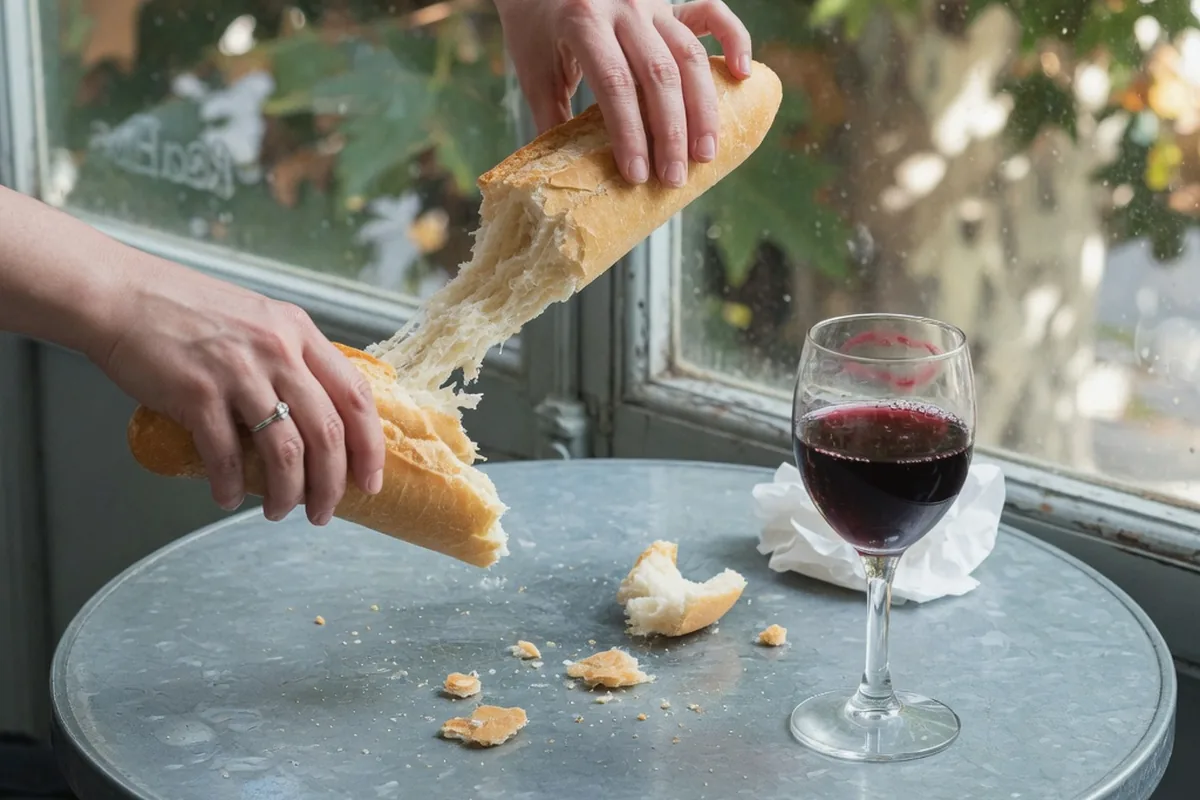
Three forces shaped France's extraordinary regional diversity:
Geography and Climate
France spans Mediterranean coastline, Atlantic seaboard, Alpine peaks, volcanic plateaux, and vast river valleys. The ingredients available to a cook in sun-baked Provence — olive oil, tomatoes, courgettes, garlic — simply do not grow in rain-lashed Brittany, where buckwheat, dairy, and seafood dominate instead.
History and Borders
Many of France's most distinctive cuisines developed in regions that were not always French. Alsace passed between France and Germany multiple times; its food reflects this dual heritage. The Basque Country straddles the Pyrenees; Basque cuisine belongs equally to France and Spain. Corsica was Genoese until 1768, and its food retains strong Italian accents. Savoie was part of the Kingdom of Sardinia until 1860.
The AOC and Terroir System
France's Appellation d'Origine Contrôlée (controlled designation of origin) system (now AOP at the EU level) has legally protected regional food products for over a century. This means that regional specialities — Roquefort cheese, Espelette pepper, Guérande salt, Bresse chicken — are not merely traditional but legally defined. The AOC system has preserved regional culinary identity against the homogenising pressure of industrial food.
| France Regional Cuisine Map Overview | Detail |
|---|---|
| North & Picardy — Endive, Maroilles cheese, ficelle picarde, waterzooi influence from Belgium | |
| Normandy — Cream, butter, Camembert, apples, cider, calvados, sole normande | |
| Brittany — Crêpes, galettes, seafood, salted butter, cider, kouign-amann | |
| Alsace — Choucroute, tarte flambée, baeckeoffe, Riesling, kugelhopf | |
| Burgundy — Boeuf bourguignon, coq au vin, Dijon mustard, escargots, Époisses | |
| Lyon & Rhône-Alpes — Bouchons, quenelles, Beaujolais, ravioles, Reblochon | |
| Provence — Olive oil, bouillabaisse, ratatouille, tapenade, rosé | |
| Southwest — Foie gras, confit de canard, cassoulet, Armagnac, prunes | |
| Basque Country — Espelette pepper, piperade, axoa, Bayonne ham, chocolate | |
| Corsica — Chestnut flour, brocciu, figatellu, wild boar, myrtle liqueur | |
| Loire Valley — Rillettes, tarte Tatin, Sancerre, goat cheese (Sainte-Maure) | |
| Savoie — Fondue, raclette, tartiflette, Beaufort cheese, génépi |

The Major Regional Traditions
Provençal Cuisine
The cuisine of Provence is the cuisine of the sun. Built on huile d'olive (olive oil), garlic, tomatoes, and the wild herbs of the garrigue (scrubland), Provençal cooking is light, aromatic, and vibrantly coloured. It owes as much to the Mediterranean — to Italy, North Africa, and Greece — as it does to Paris.
The defining dishes are bouillabaisse (Marseille fish stew), ratatouille (vegetable stew), daube provençale (Provençal beef stew), and aïoli (garlic mayonnaise with vegetables). Markets overflow with courgettes, aubergines, peppers, and the sun-ripened tomatoes that the rest of France envies.
Read the full Provençal cuisine guide →
Provence & Côte d'Azur Cities — Explore Nice, Marseille, Avignon, and Aix-en-Provence
Alsatian Cuisine
Alsace produces food that is Franco-German in the best possible sense: robust, generous, and deeply comforting. Choucroute garnie (sauerkraut with meats) is the emblematic dish, but the region also excels in tarte flambée (flamed thin-crust tart) (known locally as flammekueche (flame cake)), baeckeoffe (baker's oven stew), and the Christmas traditions that make Strasbourg the holiday capital of Europe.
The wines — Riesling, Gewürztraminer, Pinot Gris — pair naturally with the region's hearty food. The timber-framed winstubs (wine-room restaurants) of Colmar and Strasbourg are the ideal setting to experience this cuisine.
Read the full Alsatian cuisine guide →
Strasbourg & Colmar Guide — Discover the half-timbered cities of Alsace and their food culture
Breton Cuisine
Brittany's cuisine is shaped by the Atlantic. Oysters from Cancale, lobster from the Îles Glénan, langoustines from the Bay of Biscay, and sardines from the conserveries of Douarnenez all define a coastal food culture without equal in France.
On land, Brittany is the kingdom of the galette de sarrasin (buckwheat crêpe), filled with ham, cheese, and egg. Beurre salé (salted butter) — made from cream and Atlantic sea salt — is a Breton obsession that elevates every dish it touches, from the layered pastry kouign-amann (butter cake) to simple boiled artichokes.
Read the full Breton cuisine guide →
Saint-Malo & Brittany Coast — Explore the walled port city and the oyster beds of Cancale
Lyonnaise Cuisine
Lyon has been called the capitale gastronomique de la France (gastronomic capital of France) since at least the 1930s, when the food critic Curnonsky bestowed the title. Situated at the confluence of two rivers and equidistant from Burgundy's vineyards and the Rhône Valley's orchards, Lyon has access to extraordinary ingredients in every direction.
The city's bouchons (traditional Lyonnaise restaurants) serve a cuisine that is hearty, porky, and unabashedly offal-friendly: quenelles de brochet (pike dumplings), tablier de sapeur (tripe in breadcrumbs), cervelle de canut (silk worker's brains (herbed cheese)). The tradition was largely created by a generation of remarkable women known as les Mères Lyonnaises (the Mothers of Lyon).
Read the full Lyonnaise cuisine guide →
Lyon City Guide — Explore France's gastronomic capital — its bouchons, silk history, and riverside culture
Basque Cuisine
The Basque Country (le Pays Basque (the Basque Country)) possesses one of Europe's most distinctive food cultures — ancient, fiercely independent, and spanning both sides of the Franco-Spanish border. The piment d'Espelette (Espelette pepper), a mild, smoky chilli dried on the facades of whitewashed farmhouses, is the region's signature ingredient.
Key dishes include piperade (pepper and tomato stew with eggs), axoa (minced veal with peppers), ttoro (Basque fish stew), and the beloved gâteau basque (Basque cake) filled with crème pâtissière (pastry cream) or cherry jam. The pintxos (bar snacks on toothpicks) culture, imported from San Sebastián, thrives in the bars of Bayonne and Saint-Jean-de-Luz.
Read the full Basque cuisine guide →
French Basque Country — Discover Bayonne, Biarritz, Saint-Jean-de-Luz, and Espelette
Burgundian Cuisine
Burgundy is wine country, and its cooking reflects this absolutely. The great dishes — boeuf bourguignon (beef braised in Burgundy wine), coq au vin (chicken in wine), oeufs en meurette (poached eggs in red wine sauce) — are built around the region's reds. But Burgundy is also mustard country (Dijon, naturally), snail country (escargots de Bourgogne (Burgundy snails in garlic butter)), and cheese country (the magnificent, pungent Époisses (washed-rind Burgundian cheese)).
The cuisine is rich, wine-soaked, and deeply satisfying — the kind of cooking that demands a long afternoon, a fire in the hearth, and another bottle.
Read the full Burgundian cuisine guide →
Norman Cuisine
Normandy cooks with three gifts from its lush, rain-fed pastures: beurre (butter), crème (cream), and fromage (cheese). Camembert, Pont-l'Évêque, and Livarot are the holy trinity of Norman cheese. The apple orchards produce cidre (cider), calvados (apple brandy), and pommeau (apple aperitif).
On the coast, Normandy rivals Brittany for seafood: sole normande (sole in cream sauce), moules from Mont-Saint-Michel bay, and oysters from the Cotentin peninsula. The trou normand (Norman hole) — a mid-meal shot of calvados to "make room" for more courses — is one of France's most civilised traditions.
Southwest France: Périgord, Gascony & the Pays d'Oc
The southwest is the land of foie gras (fattened liver), confit de canard (duck confit), and cassoulet (white bean and meat casserole) — a cuisine of preserved meats and generous portions that reflects centuries of rural self-sufficiency. The so-called paradoxe français (French paradox) — the observation that southwestern French people enjoy low rates of heart disease despite eating prodigious amounts of duck fat — was first noted in this region.
Armagnac (Gascon grape brandy), France's oldest spirit, comes from here, as do the black truffles of Périgord, the Rocamadour goat cheese, and the plums of Agen.
Corsican Cuisine
The île de beauté (island of beauty) has a cuisine as rugged and independent as its mountains. Chestnut flour, once the staple of the island's interior, still features in breads, cakes, and polenta. Brocciu (Corsican fresh whey cheese) (AOC) appears in everything from omelettes to desserts.
Corsican charcuterie — figatellu (liver sausage), coppa (cured pork neck), lonzu (cured pork loin) — comes from semi-wild pigs fed on chestnuts and acorns in mountain forests. Wild boar stew, myrtle liqueur, and the sharp sheep's cheese tomme corse (Corsican cheese) complete a fiercely distinct island cuisine.
How to Explore Regional French Cuisine
Markets
Every French town of any size has a weekly market. Many have daily covered markets (halles (market halls)). A morning spent at the market — tasting cheese, examining produce, watching locals shop — will teach you more about regional cuisine than any restaurant meal.
Restaurants
Seek out establishments that cook with local, seasonal ingredients. In the provinces, look for auberges (country inns), fermes-auberges (farm restaurants), and restaurants displaying the Maître Restaurateur (master restaurateur) title — a government-awarded distinction for establishments that cook from fresh, raw ingredients on site.
Cooking Classes
Regional cooking classes have exploded in popularity. You can learn to make galettes in Brittany, bouillabaisse in Marseille, or cassoulet in Carcassonne. Many are run in English for visitors.
Recommended Reading
- French Regional Food by Joël Robuchon & Loïc Bienassis — a comprehensive region-by-region guide. View on Amazon UK
- The Food of France by Waverley Root — the classic literary tour of French regional food. View on Amazon UK
- Eating My Way Through France by Elizabeth Bard — a modern, personal exploration. View on Amazon UK
Summary
French regional cuisine is a living map of geography, history, and culture. From the olive groves of Provence to the salt marshes of Guérande, from the Christmas markets of Strasbourg to the oyster beds of Cancale, each region offers a distinct and deeply rooted food culture. The visitor willing to look beyond Paris will discover that the real France — the France of the table — is as varied as the landscape itself.