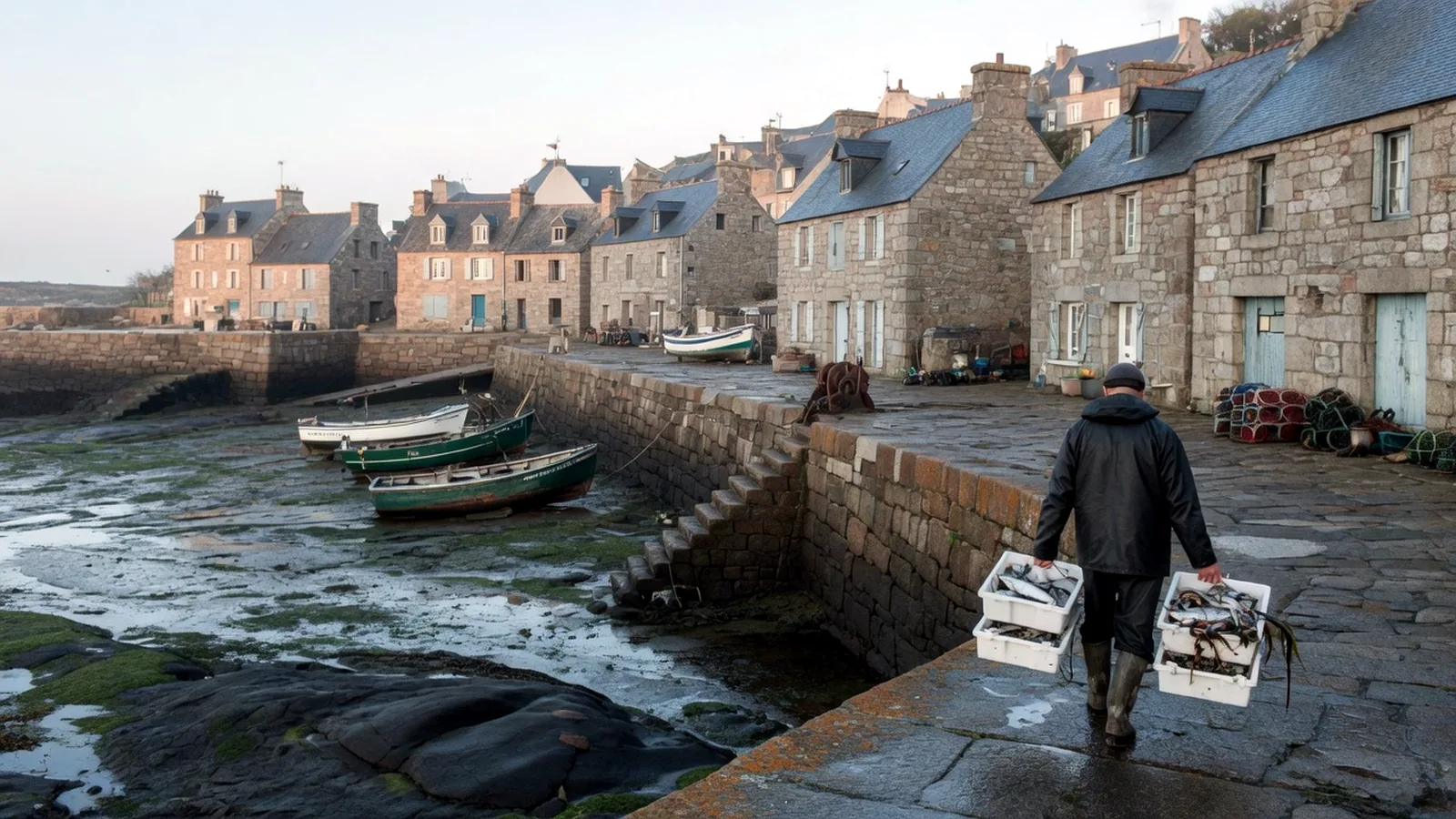
The Languedoc-Roussillon is the elephant in French wine's room — a vast Mediterranean arc stretching from Nîmes to the Spanish border that produces more wine than the entirety of Australia. For most of the twentieth century, this volume was the region's curse: the Languedoc was France's wine lake, an ocean of cheap, anonymous plonk destined for blending, distillation, or the least discriminating Parisian bistros. Winemakers were paid by the hectolitre, and quality was an afterthought.
That story has changed dramatically. Since the 1990s, a generation of ambitious producers — some local, some from Bordeaux, Burgundy, or abroad — has transformed the Languedoc-Roussillon into one of the most exciting wine regions in France. Old-vine Carignan and Grenache, hillside terroir, and a Mediterranean climate that would make a Burgundian weep with envy now produce wines of genuine distinction at prices that make the rest of France look absurd.
Geography
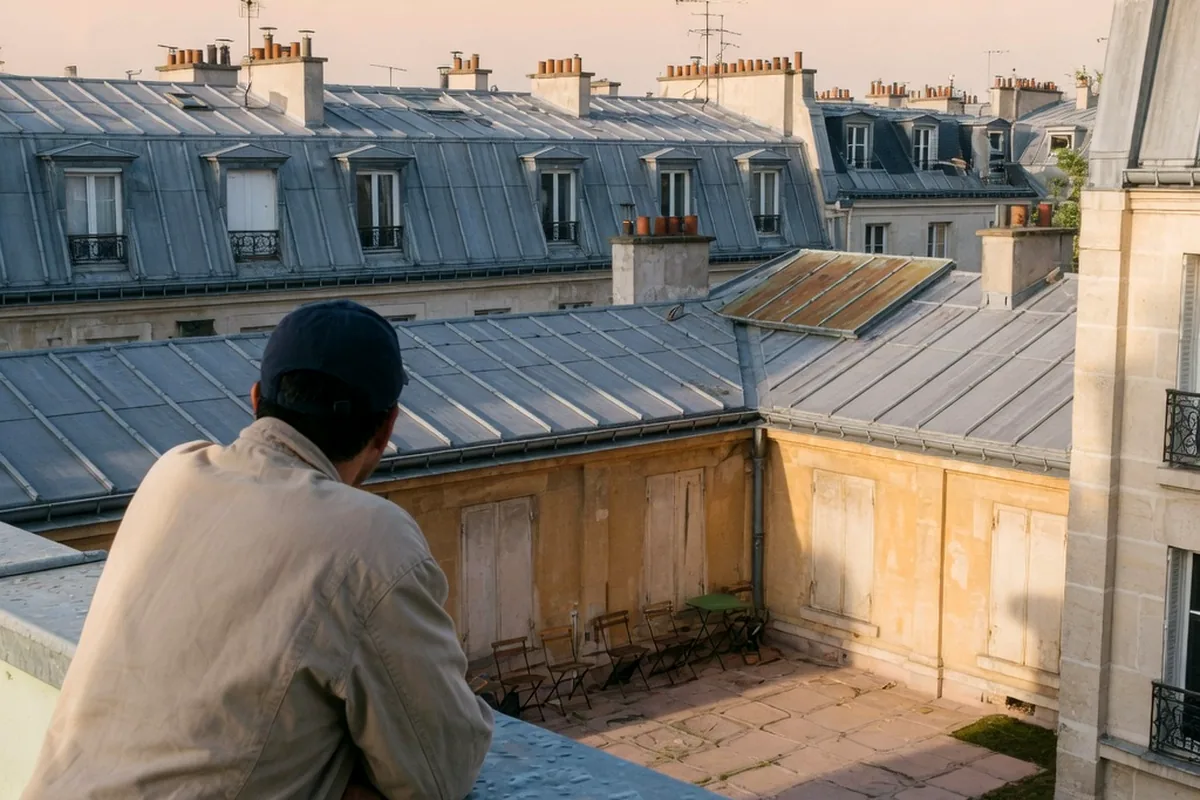
| Languedoc-Roussillon at a Glance | Detail |
|---|---|
| Area: ~228,000 hectares (France's largest wine region) | |
| Production: ~30% of all French wine | |
| Climate: Mediterranean — hot, dry summers; mild winters | |
| Key red grapes: Grenache, Syrah, Mourvèdre, Carignan, Cinsault | |
| Key white grapes: Picpoul, Viognier, Roussanne, Marsanne, Grenache Blanc, Clairette | |
| Number of AOP appellations: 36 | |
| IGP wines: Pays d'Oc is France's largest IGP, producing varietal-labelled wines |
The region divides broadly into two zones:
Languedoc — From the Rhône border west to Carcassonne. Rolling garrigue-covered hills, limestone plateaux, and the coastal plains. Key appellations: Pic Saint-Loup, Terrasses du Larzac, Minervois, Corbières, Faugères, Saint-Chinian, La Clape, Picpoul de Pinet.
Roussillon — The far south, from Perpignan to Spain. Catalan culture, schist soils, extreme heat, and some of the oldest vines in France. Key appellations: Maury, Banyuls, Collioure, Côtes du Roussillon Villages.
The Key Appellations
Pic Saint-Loup
The rising star of the Languedoc — a limestone peak north of Montpellier surrounded by vineyards that benefit from altitude, cool nights, and excellent exposure. Syrah dominates, producing wines of real elegance and freshness that defy the Mediterranean climate stereotype. Mas de Daumas Gassac's nearby Hérault wines helped pioneer the quality revolution.
Terrasses du Larzac
The newest and perhaps most exciting appellation, formalised as an AOP in 2014. Vineyards at 200-400m altitude on the terraced foothills of the Larzac plateau produce structured, complex reds with a minerality and freshness unusual for the south. Producers like Mas Jullien, Domaine de Montcalmès, and Mas Cal Demoura are making some of the Languedoc's finest wines.
Minervois and Corbières
The historic heartlands of Languedoc wine. Minervois, beneath the Montagne Noire, produces generous Grenache-Syrah blends with garrigue aromatics. Corbières, a vast and varied appellation in the Aude, ranges from flat and industrial to hillside and exceptional. Both offer remarkable value — serious wines for €7-15.
Faugères and Saint-Chinian
Hillside appellations in the Hérault with schist soils that give their wines a distinctive mineral, slightly saline character. Both have been improving rapidly and attract quality-focused producers.
La Clape
A limestone massif rising from the coastal plains south of Narbonne. Both reds (Grenache, Syrah, Mourvèdre) and whites (Bourboulenc, especially) show real character and distinctiveness.
Picpoul de Pinet
The Muscadet of the South — a crisp, saline, citrusy white from the Picpoul grape, grown on the shores of the Étang de Thau near Sète. Born to accompany the local oysters, and priced to match: €5-8 for a genuine seafood wine.
Roussillon: Sweet Wines and Old Vines
Roussillon is the home of France's great fortified sweet wines (Vins Doux Naturels (naturally sweet wines — fortified)):
- Maury — Grenache Noir. Dark, chocolatey, complex. The dry reds are increasingly valued too.
- Banyuls — The French answer to Port, made from Grenache on terraced schist hillsides that plunge into the Mediterranean. Rancio (oxidative) and vintage styles are extraordinary.
- Rivesaltes — Amber, tuilé, and grenat styles. Some Rivesaltes predate the Second World War.
Collioure — The dry red (and rosé) appellation sharing Banyuls' terraced vineyards. Concentrated, mineral, Mediterranean. The village of Collioure itself — pastel-painted, postcard-perfect — was beloved of the Fauvists.
The Value Proposition
The fundamental appeal of Languedoc-Roussillon wine is simple: comparable quality to the Rhône, Burgundy, or even Bordeaux, at a fraction of the price. Why?
- Land is cheap. Vineyard land in the Languedoc costs €5,000-20,000 per hectare — a rounding error compared to Burgundy (€500,000+) or Champagne (€1M+).
- No prestigious classification to inflate prices.
- Generous yields from a warm, reliable climate reduce per-bottle costs.
- Ambitious newcomers compete fiercely on quality.
The result: a €10 Pic Saint-Loup or Minervois can deliver the complexity and satisfaction of wines costing three times as much from more fashionable addresses.
Pays d'Oc: France's Varietal Wines
The Pays d'Oc (Languedoc's regional IGP designation) IGP is France's answer to the New World: varietal-labelled wines — Chardonnay, Sauvignon Blanc, Merlot, Cabernet Sauvignon, Viognier, Pinot Noir — that are accessible, affordable, and designed to compete on supermarket shelves worldwide. Quality ranges from forgettable to genuinely excellent. The best Pays d'Oc wines offer an honest, fruit-forward style quite distinct from the terroir-driven AOPs.
Visiting
The Languedoc-Roussillon is one of France's most rewarding regions for visitors: Mediterranean beaches, Cathar castles, the Canal du Midi, Roman Narbonne, and wine at prices that barely register. The wine tourism infrastructure is less developed than Bordeaux or Alsace, but this is part of the charm — you can still walk into a small domaine, meet the winemaker, taste a dozen wines, and walk out with a case for under €100.
Languedoc Travel Guide — Explore the Languedoc — Carcassonne, the Canal du Midi, Mediterranean beaches, and the region's best wine country.
| Languedoc-Roussillon Price Guide | Detail |
|---|---|
| Picpoul de Pinet: €5–8 — Seafood white. Unbeatable value. | |
| Corbières / Minervois: €6–15 — Everyday reds with genuine character. | |
| Faugères / Saint-Chinian: €8–18 — Schist terroir. Serious and affordable. | |
| Pic Saint-Loup: €10–25 — The Languedoc's quality flagship. | |
| Terrasses du Larzac: €12–30 — Altitude wines. Exciting. | |
| Banyuls (sweet): €10–30 — Fortified Grenache. The French Port. | |
| Pays d'Oc (varietal): €4–10 — Supermarket staples. Good to excellent. |