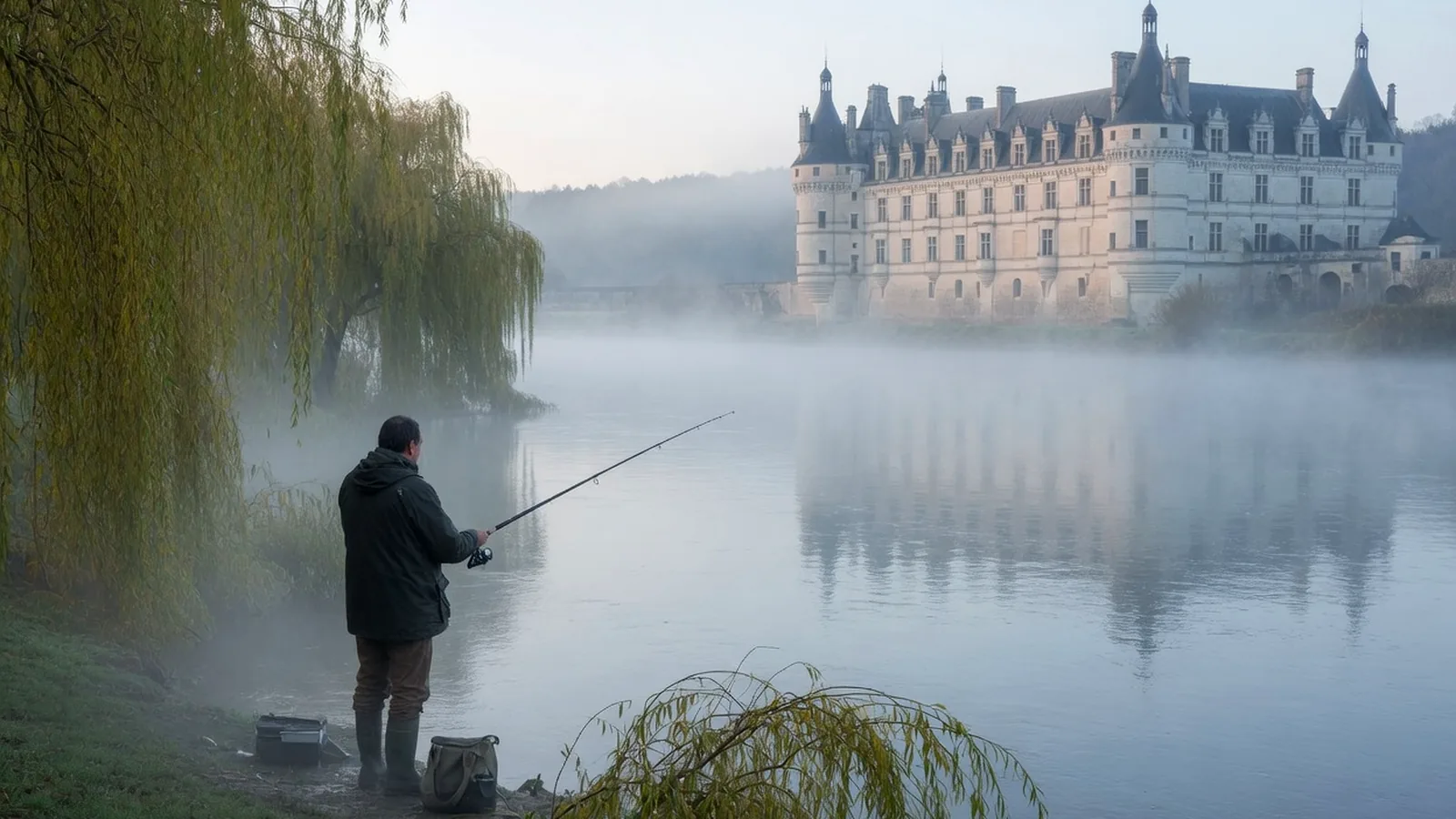
The Loire Valley is French wine's great overachiever — a 1,000-kilometre stretch of river and vineyard that produces virtually every style of wine imaginable, from bone-dry Muscadet to lusciously sweet Vouvray, from fizzy Crémant (sparkling wine made by the traditional method) to serious age-worthy reds, and it does so with a charm and accessibility that the more prestigious regions cannot match.
Nicknamed the Jardin de la France (Garden of France), the Loire produces wines that are defined by freshness, acidity, and a lightness of touch that makes them some of the most food-friendly in the world. If Burgundy is philosophy and Bordeaux is commerce, the Loire is pleasure — pure, uncomplicated, and completely irresistible.
Geography: Four Sub-Regions
The Loire Valley's vineyards follow the Loire River from its source in the Massif Central to its mouth at the Atlantic near Nantes. Four major sub-regions, each with distinct character:
| Loire Valley Sub-Regions | Detail |
|---|---|
| Pays Nantais (west, near the Atlantic) — Maritime climate. Muscadet (Melon de Bourgogne). Seafood country. | |
| Anjou-Saumur (central-west) — Chenin Blanc in all styles. Cabernet Franc for reds and rosé. Saumur sparkling. | |
| Touraine (central) — Chinon, Bourgueil (Cabernet Franc reds). Vouvray, Montlouis (Chenin Blanc). The château country. | |
| Central Vineyards (east, towards Burgundy) — Sancerre, Pouilly-Fumé (Sauvignon Blanc). Continental climate. Kimmeridgian limestone and flint. |
The Key Appellations
Sancerre and Pouilly-Fumé
These twin appellations, facing each other across the Loire near the eastern extremity of the valley, produce France's most celebrated Sauvignon Blanc. Sancerre sits on a dramatic hill on the left bank; Pouilly-sur-Loire (home of Pouilly-Fumé) on the right.
Sancerre — Crisp, aromatic, with notes of citrus, gooseberry, white peach, and that distinctive flinty mineral edge. Three soil types produce subtly different styles: silex (flint — gives smoky, mineral wines), terres blanches (white earth/Kimmeridgian limestone — rounded, floral), and caillottes (pebbly limestone — lighter, earlier-drinking). Sancerre also produces excellent Pinot Noir reds and rosés, though whites dominate.
Pouilly-Fumé — Named for the "smoky" (fumé (smoked)) character that flint soils impart to Sauvignon Blanc. Typically a touch richer and more mineral than Sancerre. Didier Dagueneau (now run by his children) remains the benchmark, with cuvées of astonishing complexity.
Vouvray
Vouvray (commune east of Tours) is Chenin Blanc's greatest stage — and one of wine's most versatile appellations. From the same vineyards, in different vintages, Vouvray produces:
- Sec — Bone-dry Chenin. Apple, quince, mineral, wool lanolin.
- Demi-Sec — Off-dry. Magnificent with food. The style Vouvray does best.
- Moelleux — Sweet, from late-harvested grapes. Honey, apricot, ginger.
- Pétillant / Mousseux — Sparkling Vouvray, made by the traditional method. Outstanding value.
The best Vouvrays age extraordinarily — dry examples can improve for 30+ years, and the sweet wines seem almost immortal. Domaine Huet is the reference: biodynamic, meticulous, and capable of producing wines across the full spectrum.
Muscadet
At the Loire's Atlantic mouth, Muscadet (wine from the Melon de Bourgogne grape) is one of France's most underappreciated wines. Made from Melon de Bourgogne — a grape that exists virtually nowhere else — it is lean, saline, mineral, and born to accompany shellfish. The best examples carry the designation sur lie (aged on lees), meaning they have rested on their spent yeast through the winter, gaining texture and complexity.
The recent introduction of crus communaux (village-level appellations) — named vineyard areas like Clisson, Gorges, and Le Pallet — has elevated Muscadet's quality ceiling. These single-commune wines, aged for 24+ months on lees, are revelatory.
Chinon and Bourgueil
The Loire's greatest red wines come from Chinon (medieval fortress town) and Bourgueil (commune on the north bank), both made from Cabernet Franc. These are not the massive, tannic reds of Bordeaux or the Rhône — they are medium-bodied, aromatic, vibrant wines with notes of raspberry, violet, graphite, and green pepper, served slightly cool and perfect with charcuterie, roast chicken, or a tarte aux rillettes (rillettes tart).
Saumur and Crémant de Loire
Saumur's tuffeau limestone caves provide perfect conditions for sparkling wine production. Crémant de Loire (Loire sparkling wine) — made by the same method as Champagne, at a fraction of the price — is one of France's best-kept secrets. Bouvet-Ladubay and Langlois-Château are reliable names.
Savennières
A tiny appellation producing bone-dry Chenin Blanc of austere, mineral intensity. Nicolas Joly's Coulée de Serrant — farmed biodynamically since the 1980s — is the most famous wine, though Domaine du Closel and Domaine FL also excel. Savennières rewards patience; these wines need 5–10 years to unfurl.
The Grape Varieties
Chenin Blanc
The Loire's most important grape and one of the world's most versatile. Chenin Blanc can produce everything from racy, dry wines to unctuous dessert wines, from still to sparkling, all with the characteristic thread of high acidity that gives Loire wines their food-friendliness and aging potential. It is arguably the world's most undervalued great grape.
Sauvignon Blanc
Crisp, herbaceous, aromatic. At its best in Sancerre and Pouilly-Fumé, where limestone and flint soils add a mineral dimension absent from warmer-climate Sauvignons. The Loire is Sauvignon's original home, and many argue it has never been surpassed here.
Cabernet Franc
The Loire's great red grape — lighter, more aromatic, more herbaceous than its offspring Cabernet Sauvignon. Chinon, Bourgueil, Saint-Nicolas-de-Bourgueil, and Saumur-Champigny are its key appellations.
Melon de Bourgogne
The sole grape of Muscadet. Neutral? Perhaps. But neutrality is a virtue when paired with oysters, and the best sur lie examples show unexpected depth and character.
Visiting the Loire
The Loire Valley is arguably France's most beautiful wine region — a landscape of châteaux, gardens, gentle river banks, and troglodyte caves carved into tuffeau limestone. Wine tourism here is relaxed, affordable, and deeply enjoyable. Many producers are small, family-run, and delighted to share their wines without pretension.
Loire Valley Travel Guide — Plan your Loire journey — the châteaux, the gardens, the cycling routes, and the best wine towns from Nantes to Sancerre.
| Loire Valley Price Guide | Detail |
|---|---|
| Muscadet sur Lie: €5–10 — Oyster wine. Sensational value. | |
| Sancerre / Pouilly-Fumé: €12–25 — France's benchmark Sauvignon. | |
| Vouvray (sec): €8–15 — Chenin at its most versatile. | |
| Chinon / Bourgueil: €8–18 — Cabernet Franc at its most charming. | |
| Crémant de Loire: €8–12 — Sparkling bargain. | |
| Savennières: €15–30 — Austere, age-worthy Chenin. | |
| Sweet Vouvray / Quarts de Chaume: €15–50 — Dessert wine of extraordinary quality. |