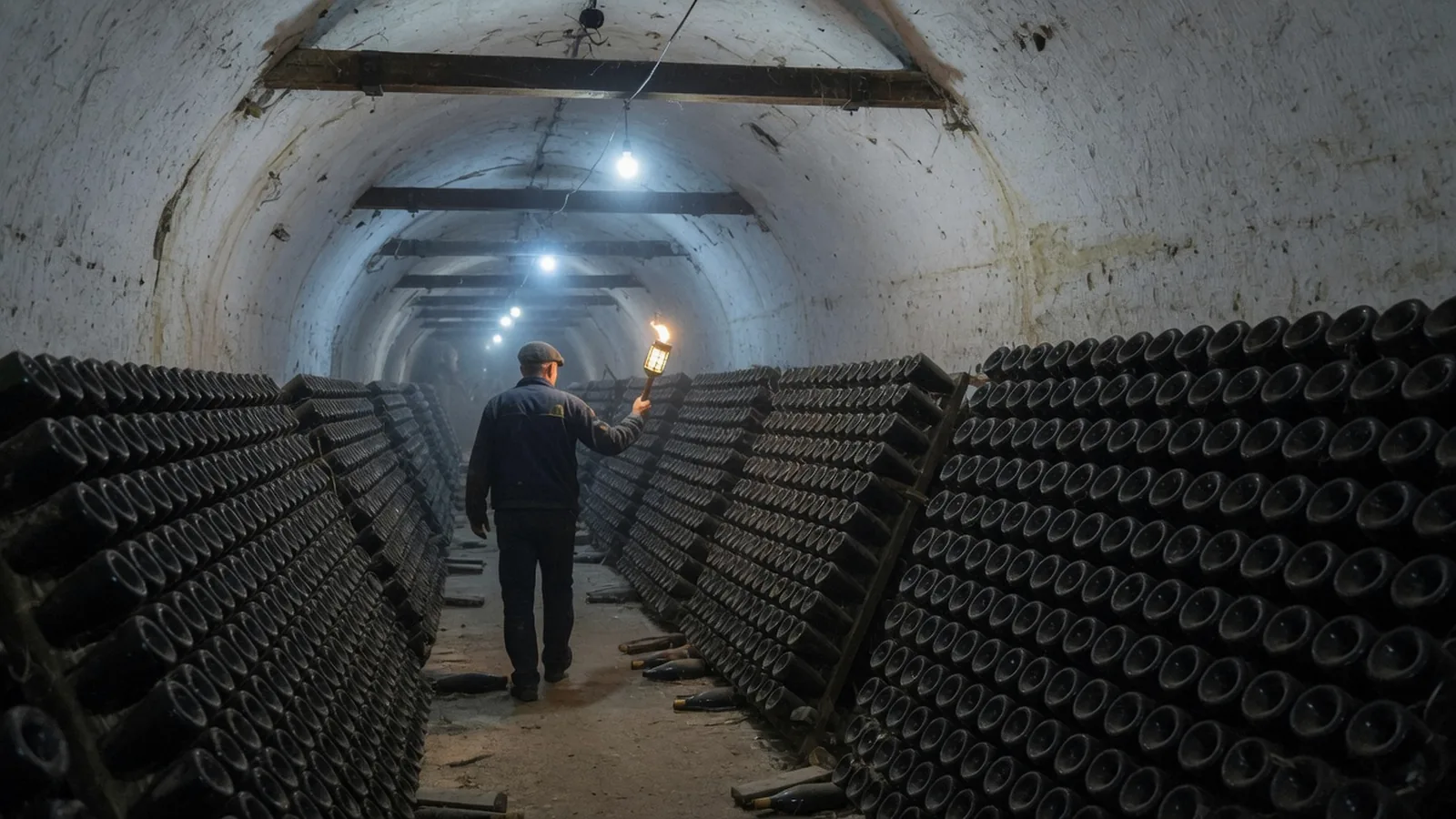
France did not invent wine. The Greeks and Romans were at it long before the Gauls got involved. But France did something arguably more important: it invented the idea of wine — the notion that where a grape grows matters more than the grape itself, that soil and slope and microclimate conspire to produce something unrepeatable, and that this alchemy deserves legal protection. Every serious wine-producing country on earth now operates in France's shadow, either following its model or deliberately rebelling against it.
This is the guide to understanding how French wine works — not just which bottles to drink, but the system that produces them, the philosophy that underpins them, and the vocabulary you need to navigate a French wine list without breaking into a cold sweat.
The Philosophy: Terroir Above All
What Terroir Actually Means
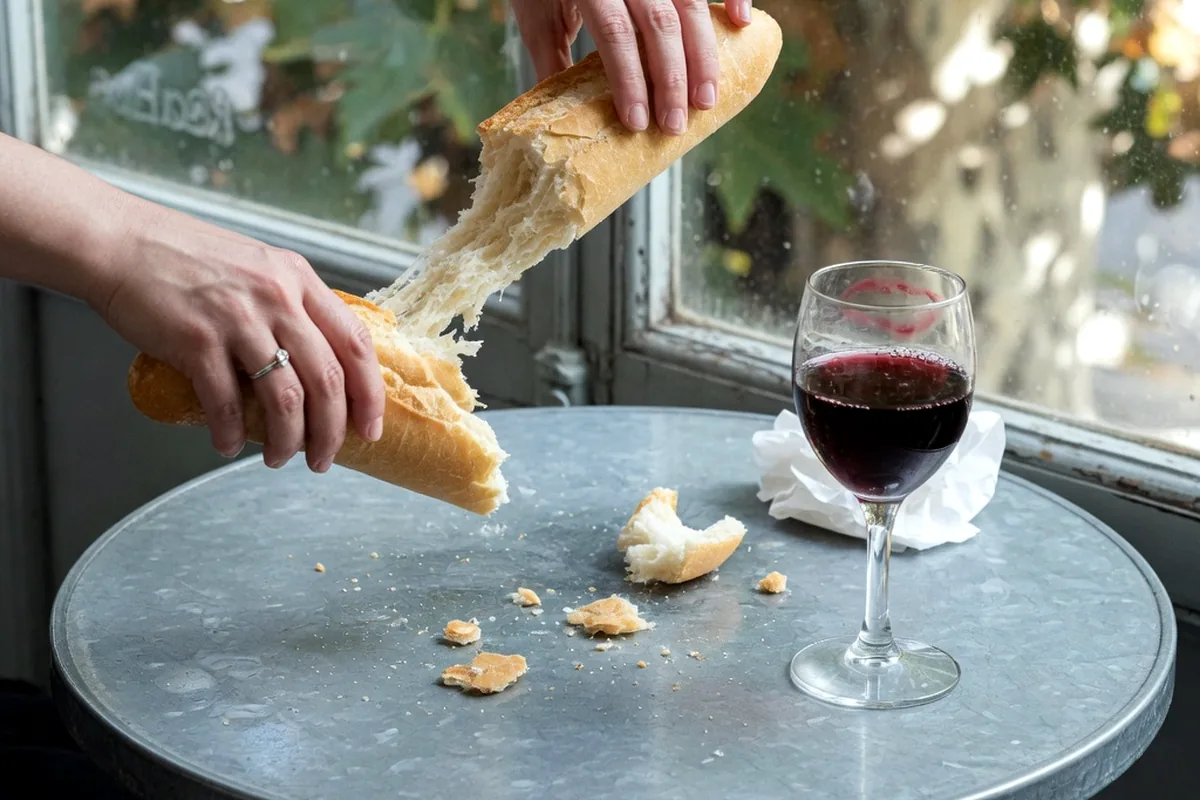
Terroir (the complete natural environment of a vineyard) is the single most important concept in French wine, and one of the most misunderstood. It is frequently translated as "soil" or "land," but this captures only a fraction of its meaning. Terroir encompasses everything that makes a specific vineyard site unique: the soil composition, the subsoil geology, the altitude, the aspect (which direction the slope faces), the drainage, the microclimate, the rainfall patterns, the hours of sunshine, even the surrounding vegetation and its effect on air circulation.
The French conviction — and it is a conviction held with almost religious intensity — is that great wine is not made but revealed. The winemaker's job is to express what the terroir provides, not to impose a style upon it. This is why French wine labels typically tell you where a wine comes from rather than what grape it is made from. A bottle labelled "Chablis" tells the informed drinker that it is Chardonnay, grown on Kimmeridgian limestone, in the cool northern reaches of Burgundy. The place is the information.
Old World vs New World
This approach — place over grape, restraint over power — is what defines "Old World" winemaking. New World producers (Australia, California, Chile, New Zealand) tend to foreground the grape variety and the winemaker's skill. You buy a "Marlborough Sauvignon Blanc" or a "Napa Cabernet." In France, you buy a "Sancerre" or a "Pauillac."
Neither approach is superior, but understanding the distinction is essential to understanding French wine. When a French vigneron tells you that their wine "tastes of the place," they are not being pretentious — they are articulating a philosophy that has governed French winemaking for centuries.
The Classification System
The Pyramid of Quality
French wine operates on a hierarchical classification system, reformed in 2009 to align with EU regulations but still fundamentally rooted in the same principles established over a century ago. The pyramid, from broadest to most specific:
| French Wine Classification Hierarchy | Detail |
|---|---|
| Vin de France — Entry level. Grapes from anywhere in France. Can state grape variety and vintage. Formerly "Vin de Table" | |
| IGP (Indication Géographique Protégée) — Regional wines with geographic identity. Fewer restrictions than AOP. Formerly "Vin de Pays" | |
| AOP (Appellation d'Origine Protégée) — The gold standard. Strict rules on geography, grape varieties, yields, alcohol levels, and winemaking methods. Formerly AOC (Appellation d'Origine Contrôlée) |
AOC/AOP: The Heart of the System
The Appellation d'Origine Contrôlée (Controlled Designation of Origin) system was formalised in 1935, though its roots go back to the early twentieth century when widespread fraud — cheap plonk sold as fine Bordeaux — threatened to destroy the reputation of French wine entirely. The system was a response to chaos: if you call your wine "Châteauneuf-du-Pape," it must come from vineyards within the delimited zone of Châteauneuf-du-Pape, use only permitted grape varieties, meet minimum alcohol levels, and submit to tasting panels.
In 2009, the AOC label was officially replaced by AOP to harmonise with European Union nomenclature. In practice, many French producers continue to use AOC on their labels, and both designations carry identical legal weight. The system is administered by the Institut national de l'origine et de la qualité (National Institute of Origin and Quality) (INAO).
What AOP Controls
Each AOP appellation specifies:
- Geographic boundaries — precisely drawn, sometimes to the level of individual vineyard plots
- Permitted grape varieties — Chablis may only use Chardonnay; Châteauneuf-du-Pape permits thirteen varieties
- Maximum yields — measured in hectolitres per hectare; lower yields theoretically equal higher concentration
- Minimum alcohol — reflecting expected ripeness in that climate
- Viticultural practices — pruning methods, planting density, irrigation (generally prohibited)
- Winemaking methods — aging requirements, chaptalisation limits, etc.
There are over 360 AOP wine appellations in France, ranging from vast regions (Bordeaux, Bourgogne) to tiny plots (Romanée-Conti, barely 1.8 hectares).
Reading a French Wine Label
French wine labels are notoriously information-dense, and much of what matters is implied rather than stated. Here is what to look for:
The Essentials
- Appellation — The geographic name (e.g., "Saint-Julien," "Pouilly-Fumé," "Côtes du Rhône"). This is the most important piece of information.
- Producer — The château, domaine, or maison that made the wine. In Burgundy and Champagne, the producer matters enormously. In Bordeaux, the château name is typically the most prominent element.
- Vintage — The year the grapes were harvested. Not all wines carry a vintage (non-vintage Champagne, for example).
- AOP/AOC — Confirmation of classification level.
- Alcohol level — Required by law.
- Volume — 750ml standard.
What You Won't See
Unlike New World wines, most French labels do not state the grape variety. You are expected to know that Chablis is Chardonnay, that red Burgundy is Pinot Noir, that Sancerre is Sauvignon Blanc. This is the barrier to entry that makes French wine seem intimidating to newcomers — but it is also the reward for learning the system, because once you know the appellations, every label tells a precise story about where the wine comes from and how it should taste.
France's Major Wine Regions
France has over a dozen significant wine regions, each with its own identity, grape varieties, climate, and traditions. The major regions warrant their own detailed guides (linked below), but here is the overview:
| France's Wine Regions at a Glance | Detail |
|---|---|
| Bordeaux — France's largest fine wine region. Cabernet Sauvignon and Merlot blends. The 1855 Classification. | |
| Burgundy — Pinot Noir and Chardonnay on limestone. The climat system (UNESCO). Terroir obsession at its purest. | |
| Champagne — The world's benchmark for sparkling wine. Méthode champenoise. Chalk soils. | |
| Rhône Valley — Northern Rhône: Syrah. Southern Rhône: Grenache blends. Hermitage to Châteauneuf. | |
| Loire Valley — The garden of France. Sauvignon Blanc, Chenin Blanc, Cabernet Franc. Enormous variety. | |
| Alsace — Germanic varieties: Riesling, Gewürztraminer, Pinot Gris. Tall flute bottles. Dry wines (mostly). | |
| Languedoc-Roussillon — France's largest wine region by volume. Increasingly serious quality. Great value. | |
| Provence — Rosé dominates (88% of production). Bandol for serious reds. | |
| South-West — Cahors (Malbec), Madiran (Tannat), Jurançon, Bergerac. Undervalued. | |
| Jura & Savoie — Alpine oddities: Vin Jaune, Vin de Paille, Comté-friendly whites. | |
| Corsica — Italian-influenced island wines. Nielluccio, Sciaccarello. |
Key Grape Varieties of France
Red Grapes
Cabernet Sauvignon — The king of Bordeaux's Left Bank. Thick-skinned, tannic, age-worthy. Blended with Merlot and Cabernet Franc. Aromas of blackcurrant, cedar, tobacco.
Merlot — The dominant grape of Bordeaux's Right Bank (Saint-Émilion, Pomerol). Softer, rounder, earlier-drinking. Plum, dark cherry, chocolate.
Pinot Noir — The grape of Burgundy. Thin-skinned, temperamental, capable of extraordinary complexity. Red fruit, earth, spice, mushroom. The world's most transparent grape — it shows exactly where it was grown.
Syrah — The noble grape of the Northern Rhône. Dark, spicy, powerful. Hermitage and Côte-Rôtie are its pinnacles. Black pepper, violet, smoked meat.
Grenache — The workhorse of the Southern Rhône and Languedoc. High alcohol, generous fruit, often blended. Strawberry, garrigue herbs, warm spice.
Gamay — The grape of Beaujolais. Light, fresh, crunchy red fruit. The ten Beaujolais crus (Morgon, Fleurie, Moulin-à-Vent) show surprising depth.
White Grapes
Chardonnay — From lean, steely Chablis to rich, oaky Meursault, Chardonnay is the chameleon of French wine. Burgundy is its spiritual home.
Sauvignon Blanc — Crisp, aromatic, herbaceous. The Loire Valley (Sancerre, Pouilly-Fumé) and Bordeaux (dry whites, often blended with Sémillon).
Chenin Blanc — The Loire's great white grape. From bone-dry Savennières to lusciously sweet Vouvray and Quarts de Chaume. Extraordinary aging potential.
Riesling — Alsace's finest. Dry, mineral, precise. Grand Cru Rieslings from producers like Trimbach and Zind-Humbrecht rank among the world's great white wines.
Sémillon — The base of Sauternes (sweet) and dry white Bordeaux. Waxy texture, lanolin, honey when aged.
Viognier — The aromatic white of Condrieu in the Northern Rhône. Apricot, peach blossom, heady perfume. Tiny production.
Wine Tourism in France
The Routes des Vins
France has formalised wine tourism through a network of Routes des Vins (wine roads) — signposted driving routes that wind through the major wine regions, connecting producers, cooperatives, tasting rooms, and wine museums. The most famous include:
- Route des Grands Crus (Burgundy) — From Dijon to Santenay through the Côte d'Or. 60 kilometres of the most valuable agricultural land on earth.
- Route des Vins d'Alsace (Alsace) — 170 kilometres from Marlenheim to Thann, through picturesque villages with half-timbered winstubs (Alsatian wine taverns).
- Route des Châteaux (Bordeaux) — Multiple circuits through the Médoc, Saint-Émilion, and Graves.
Visiting Producers
Most French wine producers welcome visitors, but the culture differs dramatically from region to region. In Bordeaux, the grand châteaux often require advance appointments and may charge for tastings. In Alsace and the Loire, you can frequently walk in unannounced and receive a warm welcome and a free dégustation (tasting). Burgundy falls somewhere between: the top domaines are appointment-only, but village-level producers are generally accessible.
France Wine Tourism Routes — Plan your wine touring route through Bordeaux, Burgundy, Alsace, and the Loire with our complete travel guides.
Wine Festivals
Key dates for the wine calendar:
- Hospices de Beaune auction (third Sunday of November) — Burgundy's legendary charity auction and wine festival
- Bordeaux Fête le Vin (June, biennial) — The city's waterfront becomes a vast tasting room
- Saint-Vincent Tournante (late January) — Burgundy's patron saint festival, rotating annually between villages
- Ban des Vendanges (September/October) — Harvest festivals across every region
Practical Tips for Buying French Wine
In France
The best places to buy wine in France:
- Direct from producers — Often the cheapest route for quality wine, and you can taste before buying
- Cavistes — Independent wine merchants, found in every French town. The staff are knowledgeable and will guide you
- Supermarkets — The September Foire aux Vins (wine fair) sales at Leclerc, Carrefour, and Auchan offer serious discounts on quality bottles
- Wine cooperatives — Village caves coopératives (cooperative cellars) offer reliable, affordable local wines
Price Expectations
French wine operates across an enormous price spectrum. A perfectly drinkable Côtes du Rhône (Rhône Valley regional wine) costs €4–6 in a French supermarket. A village Burgundy runs €15–25. A Grand Cru Burgundy or classified Bordeaux starts at €50 and climbs rapidly into the hundreds and thousands. The sweet spot for quality-to-value is in the €8–20 range, where appellations like Crozes-Hermitage, Saint-Véran, Minervois, and Chinon deliver extraordinary drinking.
Shipping Wine Home
EU residents can transport wine freely within the bloc. UK residents face post-Brexit customs allowances (currently 18 litres of still wine duty-free for personal use when travelling). For larger quantities, specialist wine shipping companies operate from all major French wine regions and will handle customs paperwork.
Wine as an Industry — Explore the economics of French wine — exports, appellations as intellectual property, and the business of terroir.
The Future of French Wine
French wine faces challenges that would have been unimaginable a generation ago. Climate change is shifting harvest dates forward by two to three weeks compared to the 1980s. Regions that were historically too cool to ripen grapes fully — like Champagne and the Loire — are producing richer, riper wines. Meanwhile, the traditional heartlands of the south are struggling with drought and excessive heat. Bordeaux has recently approved new grape varieties (Marselan, Touriga Nacional) that would have been heresy a decade ago.
The natural wine movement, centred on Paris and the Loire Valley, has challenged the orthodoxies of the AOC system, with some celebrated producers choosing to declassify their wines to Vin de France rather than submit to appellation tasting panels they consider conservative. Young winemakers are questioning inherited practices around sulphur use, biodynamics, and the very definition of what "authentic" wine means.
And yet the fundamentals remain. France still produces more diverse, terroir-driven wine than any country on earth. The system is imperfect, sometimes maddening, occasionally absurd — but it works. It has preserved a viticultural heritage that stretches back two thousand years, and it continues to set the standard by which the rest of the wine world measures itself.
That, more than any appellation or classification, is France's true contribution to wine.